
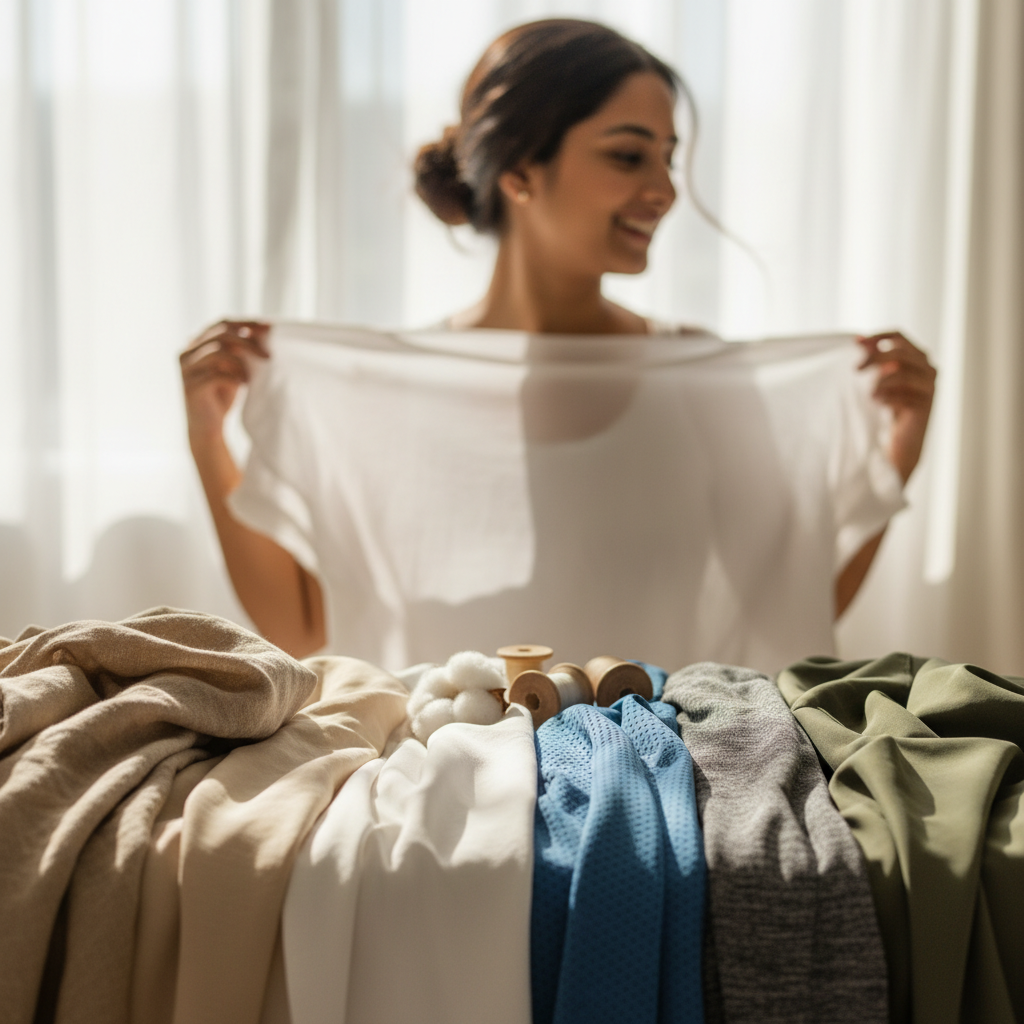
Best Fabrics for Breathable Women’s Tops
Choosing the right fabric for women’s tops is essential for comfort, especially in warmer weather. Breathability plays a crucial role in ensuring that the skin can stay dry and cool, reducing sweat and irritation. This article will explore the best fabrics that offer excellent breathability for women’s tops, helping you make informed choices for everyday wear or active lifestyles.
Understanding Breathability in Fabrics
Breathability refers to a fabric’s ability to allow air and moisture vapor to pass through it, enabling sweat to evaporate and the skin to breathe. This quality is vital in preventing overheating and discomfort, particularly during hot weather or physical activity. When it comes to women’s tops, breathable fabrics not only provide comfort but also contribute to a fresh appearance throughout the day.
Several factors influence how breathable a fabric is, including fiber type, weave, and weight. Natural fibers generally outperform synthetic materials in breathability due to their inherent structure and moisture-absorbing properties. Additionally, the way the fabric is constructed—such as loose versus tight weaves—affects airflow.
Natural Fibers: Superior Breathable Fabrics
Cotton is often the first fabric that comes to mind when thinking of breathability. It is a natural cellulose fiber that absorbs moisture well, allowing sweat to evaporate from the fabric surface. Cotton tops are soft, lightweight, and ideal for daily wear. However, while cotton is breathable, it tends to retain moisture, which can feel heavy and damp during intense sweating.
Linen is another excellent natural fiber known for its superior breathability and moisture-wicking properties. Made from flax plant fibers, linen has a loose weave that facilitates airflow, keeping the skin cool and dry. Though it wrinkles easily, linen tops offer a crisp, casual-chic aesthetic and are perfect for hot, humid climates.
Bamboo fabric is gaining popularity due to its eco-friendly production and impressive breathability. Bamboo fibers are naturally porous, allowing for good ventilation and moisture absorption. Bamboo tops also have antimicrobial properties, reducing odor—a significant advantage for active wear. Additionally, bamboo fabric is soft and has a silky texture, adding a luxurious feel.
Synthetic Fabrics with Breathability Enhancements
While natural fibers are well-known for breathability, advances in textile technology have led to synthetic options that can rival or surpass natural fabrics in moisture management.
Polyester blends designed for athletic wear often incorporate moisture-wicking technology. These synthetic fibers transport sweat away from the skin to the outer fabric surface where it evaporates quickly. Polyester tops with mesh panels or perforations enhance airflow, making them excellent for workouts or outdoor activities. However, standard polyester without these features can trap heat and odor.
Nylon is lightweight and durable, commonly used in activewear for its strength and quick-drying nature. When combined with moisture-wicking finishes, nylon tops become highly breathable, providing comfort during physical exertion. Breathable nylon blends often include spandex for stretchability without sacrificing ventilation.
Modal is a semi-synthetic fiber made from beechwood pulp. It is soft, breathable, and more resistant to shrinking and pilling than cotton. Modal tops drape beautifully while maintaining moisture-wicking abilities, making this a popular choice for both casual and athletic wear.
Choosing Breathable Tops: Weave and Fabric Construction
The breathability of a top doesn’t depend solely on fiber content; the way the fabric is made plays an equally important role. Understanding fabric construction can help you choose garments that maximize airflow and minimize sweat buildup.
Weave Types and Their Impact on Airflow
Plain Weave is one of the simplest and most common fabric constructions. It creates a tight pattern with the warp and weft threads crossing at right angles. While this weave is durable, it may offer moderate breathability depending on fiber thickness.
Knits, such as jersey or rib knits, are formed by interlocking loops rather than woven yarns. Knitted tops typically have more stretch and allow for increased airflow, especially when made from lightweight fibers. This makes knit fabrics popular for comfortable, breathable women’s tops.
Open Weave Fabrics like gauze or mesh are intentionally constructed to allow spaces between threads, greatly improving ventilation. Clear examples include lace-trimmed tops or mesh panels integrated into sportswear. These open structures expedite moisture evaporation and keep the body cool.
Fabric Weight and Its Relation to Breathability
Lighter-weight fabrics generally enhance breathability by allowing more air penetration. For example, a thin cotton voile is more breathable than heavy denim made from the same fiber. When shopping for breathable tops, focus on lightweight fabric options that don’t sacrifice durability.
Additionally, blends can balance breathability with functionality. For instance, lightweight cotton-polyester blends might maintain breathability while improving wrinkle resistance and durability. Understanding these nuances helps in selecting tops tailored to specific needs—whether it’s casual summer wear or performance gear.
Practical Tips for Wearing and Caring for Breathable Tops
To maximize comfort and longevity of breathable tops, some practical considerations include:
- Layering Wisely: Avoid heavy layering that restricts airflow. Pair breathable tops with lightweight jackets or cardigans made from similarly breathable fabrics.
- Proper Washing: Use gentle detergents and avoid fabric softeners that can clog fabric pores and reduce breathability.
- Choosing Colors: Lighter colors reflect sunlight, helping to keep you cool when wearing breathable fabrics outdoors.
- Fitting: Looser fits promote better air circulation than tight clothing, so consider sizing and style carefully.
In addition, investing in tops designed specifically for breathability, with features like mesh inserts or moisture-wicking finishes, can greatly enhance comfort during active or hot-weather activities.
Conclusion
Breathable fabrics are key to comfort and style in women’s tops, particularly in warm climates or during physical activity. Natural fibers such as cotton, linen, and bamboo offer excellent airflow and moisture management, while modern synthetic fabrics with moisture-wicking properties provide durability and enhanced performance. Additionally, fabric construction and weight significantly influence breathability, making lightweight, open-weave, or knit fabrics ideal choices. By understanding these factors, you can select tops that keep you cool, dry, and comfortable all day long.




 Proudly Indian