
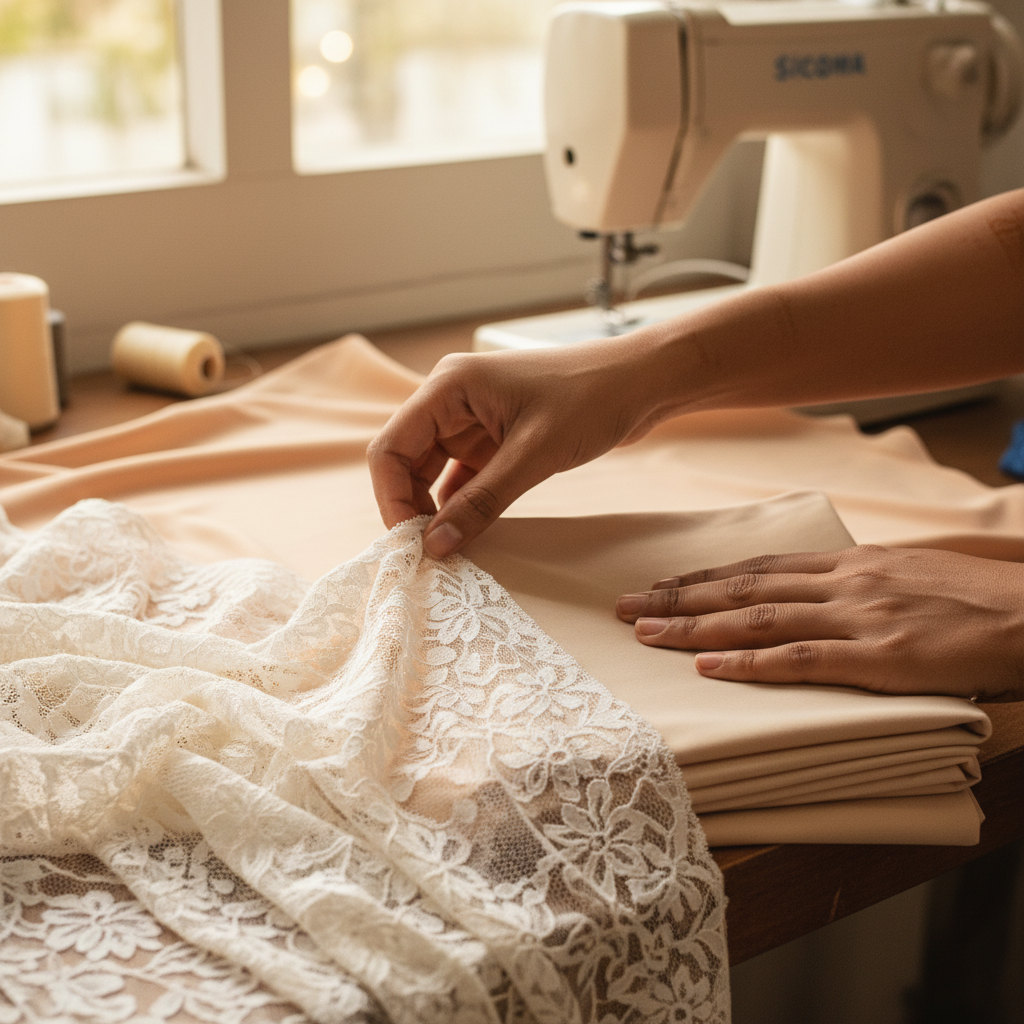
Understanding Lingerie Fabrics: Lace, Cotton & Microfiber
Lingerie is not just about appearance; the comfort and feel of the fabric play a crucial role in the overall experience. Among the various fabrics used, lace, cotton, and microfiber stand out for their unique qualities. This article explores the characteristics, benefits, and considerations of these three popular lingerie fabrics to help you make informed choices.
The Elegance and Sensuality of Lace
Lace is often the fabric that comes to mind when people think of lingerie, and for good reason. Its intricate patterns and delicate texture exude femininity, sensuality, and elegance. But lace is much more than just a pretty fabric; understanding its properties is essential for appreciating how it affects comfort, durability, and care.
Types of Lace in Lingerie
Lace can be crafted from a variety of fibers and made through different techniques. The two primary types used in lingerie are:
- Chantilly Lace: Known for its fine, detailed floral patterns with a light, airy feel, it offers a luxurious, high-end look.
- Leavers Lace: Produced using specialized machines, this lace is heavier and has a more intricate threadwork; it provides more structure compared to Chantilly lace.
Other variations include guipure lace, which is dense and heavy with no net background, often used for more sculptural lingerie pieces.
Benefits and Considerations of Lace
Lace lingerie is prized for its aesthetic appeal and breathability. Here are some key points:
- Breathability: The open weave of lace allows for airflow, helping to keep the skin cool.
- Texture: While delicate and light, lace can sometimes feel scratchy on sensitive skin, depending on the quality.
- Durability: High-quality lace can be surprisingly strong, but it generally requires gentle handling and hand washing to preserve its shape and prevent tearing.
- Visual Appeal: Lace adds a romantic and alluring element to lingerie, often used in bridal and special-occasion wear.
Because lace can vary significantly in texture and resilience, choosing garments made from premium lace ensures better comfort and longevity.
Comfort and Breathability: The Role of Cotton
Cotton is a natural fiber celebrated for its softness, breathability, and hypoallergenic properties. Unlike synthetic fabrics, cotton lingerie nourishes the skin while providing essential comfort, making it a staple for everyday wear.
Why Cotton Makes Great Lingerie
- Softness: Cotton fibers are naturally soft, which helps minimize irritation and chafing, especially for sensitive skin.
- Breathability: Being a porous fiber, cotton allows air circulation, reducing moisture buildup and the risk of bacterial growth.
- Moisture Absorption: Cotton can absorb up to 27 times its weight in water, which helps wick away sweat and maintain skin dryness.
These qualities make cotton lingerie especially popular for daily wear, maternity lingerie, and pieces designed for those with skin sensitivities or allergies.
Limitations and Care for Cotton Lingerie
- Durability: Compared to synthetic fabrics, cotton can shrink and lose shape over time, especially with improper washing.
- Wrinkling: Cotton is prone to creases and may require ironing to maintain a smooth appearance.
- Fading: Frequent laundering can lead to color fading, so gentle cycles and cold water washing are recommended.
Despite these drawbacks, many lingerie brands blend cotton with other fibers to enhance longevity and flexibility while preserving comfort.
The Innovation and Versatility of Microfiber
Microfiber lingerie represents technological advancement in fabric manufacturing, combining synthetics like polyester and nylon into ultra-fine fibers. Microfiber is known for its smooth texture, stretch, and amazing fit, making it a favorite for active and fashion-forward lingerie styles.
Microfiber Properties and What They Mean for Lingerie
- Softness: Microfibers are finer than silk and often feel incredibly smooth against the skin, providing a second-skin sensation.
- Flexibility: These fabrics offer excellent stretchability, allowing lingerie to contour the body comfortably without losing shape.
- Lightweight: Microfiber pieces are lightweight, reducing bulk and enabling seamless looks under tight clothing.
- Moisture Wicking: Their structure promotes quick drying and moisture wicking, which helps keep skin dry and comfortable.
Maintenance and Sustainability Considerations
- Easy Care: Unlike delicate lace or cotton, microfiber lingerie usually withstands machine washing well and is resistant to wrinkles and shrinking.
- Durability: The strength of synthetic fibers makes microfiber lingerie long-lasting and less prone to tearing.
- Environmental Impact: Because microfibers are synthetic, they are less biodegradable. However, many brands now use recycled materials to mitigate environmental concerns.
Microfiber’s combination of comfort, fit, and ease of care makes it a popular choice for modern lingerie, especially for individuals with active lifestyles or those seeking minimal upkeep.
Conclusion
Choosing the right lingerie fabric involves balancing style, comfort, and practical needs. Lace offers unmatched beauty and sensuality but requires delicate care. Cotton provides superb breathability and comfort for everyday wear, ideal for sensitive skin. Meanwhile, microfiber delivers a luxurious feel, flexibility, and easy maintenance ideal for contemporary lifestyles. Understanding these fabrics helps you select lingerie that not only looks stunning but also feels perfect on your skin.




 Proudly Indian