
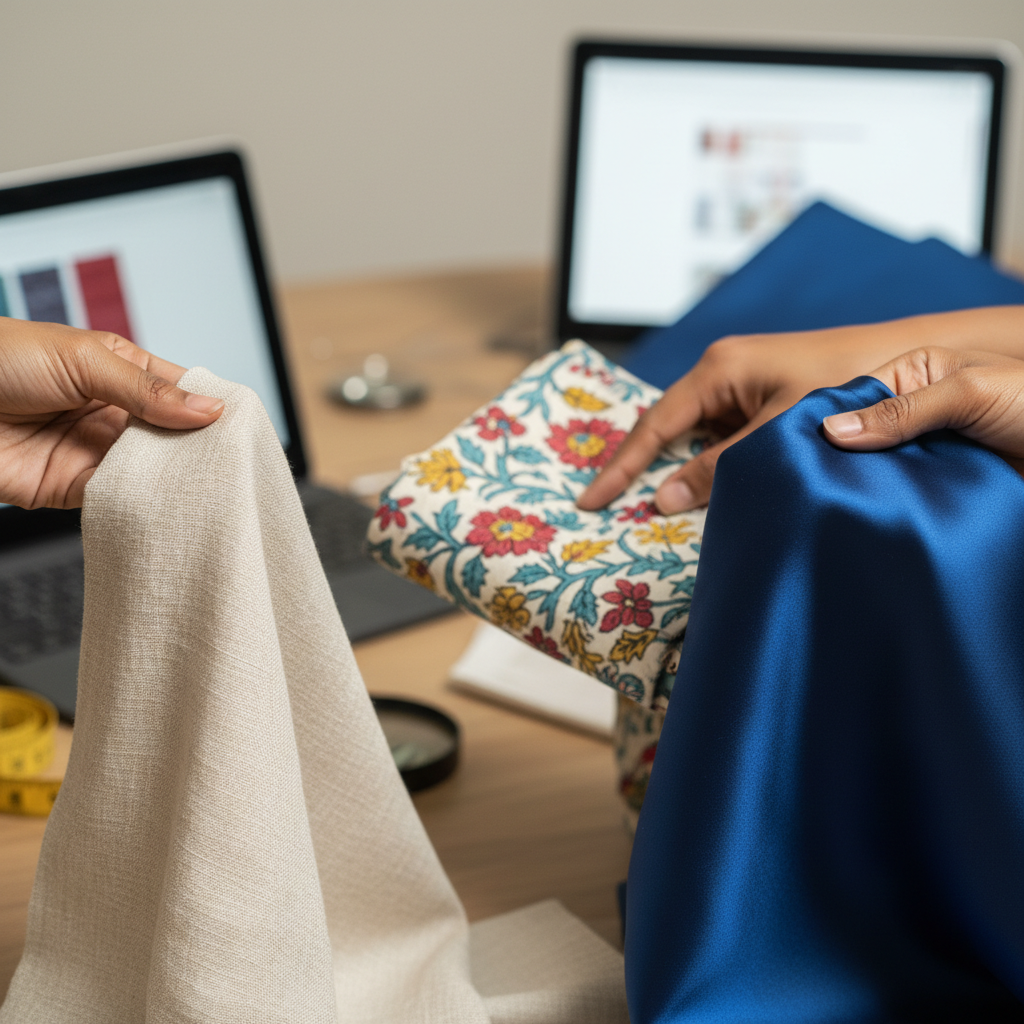
How to Identify Quality Fabric When Shopping Online
Shopping for fabric online can be both exciting and challenging. Without the opportunity to touch and feel the material, it becomes essential to know how to identify quality fabric through descriptions, images, and other cues. This article will explore practical tips and key factors to consider when evaluating fabric quality online, ensuring you make confident purchases every time.
Understanding Fabric Types and Their Characteristics
One of the most critical steps in identifying quality fabric online is having a clear understanding of different fabric types and their inherent features. Each fabric has unique qualities that affect its texture, durability, appearance, and usability. Familiarizing yourself with these attributes helps in discerning whether a fabric is worth buying based on the information provided.
Natural vs. Synthetic Fabrics
Natural fabrics like cotton, linen, wool, and silk are prized for their breathability, comfort, and environmental friendliness. For instance, high-quality cotton usually has a smooth texture, strength, and a substantial thread count indicating durability. Linen is known for its crispness and slight texture, while wool is valued for insulation and softness when sourced well.
Synthetic fabrics such as polyester, nylon, and acrylic are often wrinkle-resistant, durable, and cheaper alternatives. However, they may lack breathability and might feel less luxurious, though advances in textile technology are improving their quality considerably.
Examining Fabric Composition Details
Online product descriptions typically specify fabric composition as percentages (e.g., 80% cotton, 20% polyester). Pay close attention to this blend, as it influences fabric quality significantly. For example, a cotton-polyester blend can combine comfort with durability, but too much polyester can reduce the softness and breathability.
- High purity natural fabrics usually indicate better quality and feel.
- Blends with synthetic fibers can be practical but may hide lower quality natural fibers.
- Certification or labeling such as organic cotton or sustainable production can hint at quality standards.
Evaluating Fabric Weight and Thickness
Fabric weight, usually measured in grams per square meter (GSM), is a key indicator of quality and suitability. Heavier fabrics generally offer more durability and opacity, ideal for outerwear or upholstery, while lighter fabrics are better for summer clothing or linings.
Look for fabric weight details in product specifications and compare them across similar fabric types. Avoid buying fabrics that feel too thin and flimsy if you need strength and longevity.
Using Online Tools and Visual Clues to Assess Fabric Quality
Since direct physical inspection is impossible while shopping online, there are several alternative strategies to gauge fabric quality through digital means.
High-Resolution Images and Zoom Features
Quality fabric sellers will provide multiple high-resolution images showing different angles, close-ups, and sometimes even swatches worn or used in real-life contexts. Use the zoom feature extensively to observe:
- Weave and texture: Look for tight, even weaves with no irregularities or visible defects.
- Color consistency: Check for uniform color without patches or fading.
- Surface finish: Identify whether the fabric has a matte or shiny finish and whether it aligns with the fabric type.
- Edge quality: Visible fabric edges can indicate quality of cuts and finishing.
Reading Reviews and Customer Feedback
Customer reviews are a valuable source of information about the actual quality of the fabric after purchase. Pay particular attention to:
- Comments on softness, drape, and durability.
- Feedback about accuracy of the product description and photos.
- Information on colorfastness and how well fabric holds up after washing.
Reviews with photos uploaded by customers can be extremely insightful for making decisions.
Understanding Fabric Descriptions and Terminology
Sellers should provide detailed fabric descriptions that go beyond basic fiber content and highlight:
- Thread count and yarn quality: Higher thread count usually means a finer, denser fabric.
- Type of weave: Plain, twill, satin, etc., affect texture and strength.
- Finishing treatments: Pre-washing, mercerization, or anti-pilling treatments can enhance quality.
- Origin and manufacturing: Some regions are renowned for particular fabrics, adding to the trust factor.
If descriptions are vague or excessively generic, it might indicate lower-quality fabric or a less transparent seller.
Requesting Swatches or Samples
Many online fabric stores offer the option to order small swatches or sample pieces. This is an invaluable way to physically feel the texture, test color under different lights, and evaluate drape before committing to a larger purchase.
While ordering swatches may add a small upfront cost, it is a worthy investment to avoid disappointment and unnecessary returns.
Additional Considerations for Making a Confident Fabric Purchase Online
Beyond fabric-specific attributes and online evaluations, some practical tips can further ensure you select quality materials.
Check Return Policies and Customer Service
Reputable sellers offer clear return policies enabling you to send back fabrics that do not meet expectations. Good customer service can also assist in answering specific questions about fabric quality.
Trust Established Vendors and Brands
Shopping from well-known brands or specialty fabric retailers reduces the risk of poor quality. Established vendors often have quality control standards and extensive product knowledge.
Price vs. Quality Balance
While price alone should not be the only quality indicator, extremely cheap prices often mean compromises on fabric quality. Compare prices within a known range for the fabric type to avoid suspect bargains.
Consider Intended Use and Care Requirements
Choose fabrics suitable for the project at hand, whether it’s apparel, upholstery, or quilting. Check recommended care instructions to ensure long-term maintenance is manageable; delicate fabrics may require special handling.
Conclusion
Identifying quality fabric when shopping online requires a combination of knowledge, keen observation, and due diligence. Understanding fabric types, analyzing detailed descriptions, utilizing high-quality images, and considering customer feedback can greatly reduce uncertainty. Ordering swatches and trusting reputable vendors further enhance confidence in your purchase. Armed with these strategies, you can enjoy the convenience of online shopping while ensuring the fabrics you choose meet your quality expectations and project needs.




 Proudly Indian