
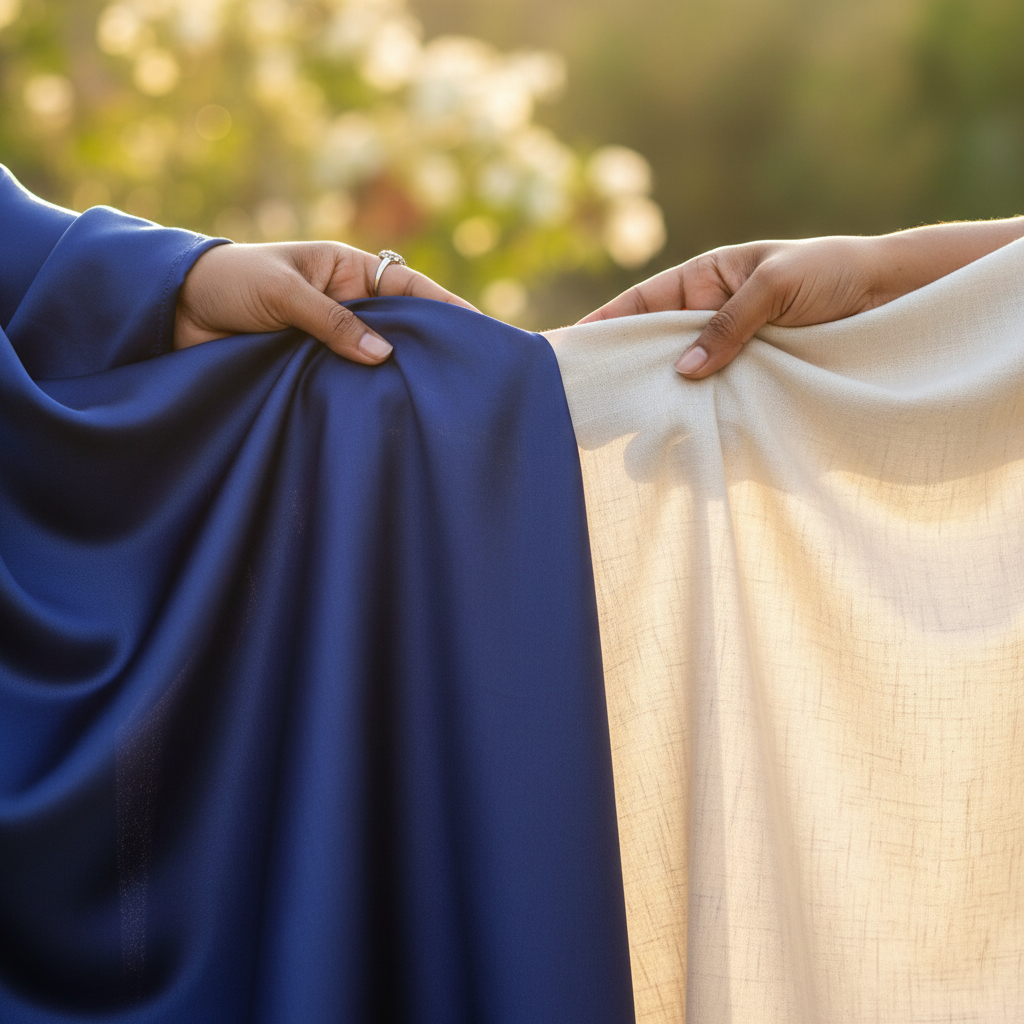
Rayon vs Viscose: Understanding Semi-Synthetic Fabrics
In the world of textiles, semi-synthetic fabrics like rayon and viscose play a crucial role in bridging the gap between natural and fully synthetic materials. Although often used interchangeably, these fabrics have distinct characteristics, manufacturing processes, and applications. This article delves deep into the nuances of rayon and viscose, helping you understand their differences and advantages.
The Origins and Manufacturing Processes of Rayon and Viscose
To appreciate the differences between rayon and viscose, it’s essential to understand their origins and how they are produced. Both fabrics fall under the category of semi-synthetic or regenerated cellulose fibers, meaning they originate from natural cellulose sources, such as wood pulp or cotton linters, but undergo extensive chemical processing.
Rayon: The Original Semi-Synthetic Fiber
Rayon was the first commercially viable semi-synthetic fiber, developed in the late 19th century as a substitute for silk. The process involved dissolving cellulose and then regenerating it into fibers. The traditional method to produce rayon is known as the cuprammonium process or the viscose process, but the term “rayon” broadly refers to fibers made through various techniques involving cellulose regeneration.
- Raw Material: Primarily wood pulp or cotton linters.
- Process: Cellulose is purified, dissolved in chemicals, then forced through spinnerets to create fibers.
- Types: Includes cuprammonium rayon, viscose rayon, and modal fibers.
The defining characteristic of rayon lies in the transformation of natural cellulose via chemical treatments that create fibers closely mimicking natural ones, offering breathability and comfort while remaining versatile.
Viscose: A Popular Subtype of Rayon
Viscose is actually a specific type of rayon, produced using the widely adopted viscose process. The name “viscose” comes from the viscous organic liquid formed during cellulose treatment. This method involves treating cellulose with sodium hydroxide and carbon disulfide to create cellulose xanthate, which is then dissolved and spun into fibers.
- Common Usage: Viscose fibers dominate the rayon market and are used in clothing, upholstery, and industrial fabrics.
- Properties: Soft, with excellent drape and moisture absorption.
Although “viscose” and “rayon” are often used interchangeably in everyday language, scientifically, viscose refers specifically to rayon produced with the viscose method. Other rayon variants, like modal, offer improved durability and softness.
Comparing Rayon and Viscose: Properties, Uses, and Environmental Impacts
While rayon and viscose share a cellulose base, their subtle differences in properties and manufacture influence their performance and applications. We will examine how their fabric characteristics, typical uses, and environmental footprints compare.
Fabric Properties and Performance
Both rayon and viscose are prized for their silk-like feel and breathability, but they have distinct qualities:
- Texture and Appearance: Viscose is smooth, soft, and has a shiny surface that drapes well, making it popular in fashionable apparel. Rayon’s texture can vary more widely depending on the production process, with modal rayon offering even smoother and more resilient fabric.
- Durability: Standard viscose fibers tend to weaken when wet, making them less durable during washing and wear. Rayon variants such as modal and lyocell have improved wet strength and are more robust.
- Moisture Absorption: Both fabrics absorb moisture well, offering great comfort in humid or warm conditions. This property makes them excellent alternatives in summer clothing and activewear.
- Breathability: Thanks to their cellulose base, both allow good air circulation, aiding skin comfort.
Overall, viscose is best suited for lightweight, breathable clothing that requires a polished look, while certain types of rayon extend the possibilities to more durable textile applications.
Common Applications and Sectors
Rayon and viscose fabrics find uses across various sectors:
- Fashion and Apparel: Viscose is a staple in dresses, blouses, linings, and scarves due to its smooth texture and vibrant dye uptake. Rayon variants provide options from affordable everyday wear to luxury fabrics.
- Home Textiles: Both fabrics are used in upholstery, curtains, and bed linens, where softness and appearance matter.
- Industrial Uses: Specialty rayons like high-tenacity modal find roles in tire cords, hygiene products, and non-woven fabrics.
Environmental Considerations: Sustainability and Impact
Sustainability has become a vital factor in textile production, with rayon and viscose often scrutinized for their ecological footprints.
- Raw Material Sourcing: Both rayon and viscose start with natural cellulose, generally from wood pulp. The key to sustainability here is the origin and management of forests supplying the cellulose. Certified sustainable forestry reduces environmental damage.
- Chemical Use and Pollution: Traditional viscose production involves toxic chemicals like carbon disulfide, which pose environmental and health risks if not properly managed. Modern closed-loop processes aim to recycle these chemicals and minimize emissions.
- Water and Energy Consumption: Both fibers require significant water and energy, but newer processes—especially lyocell (a type of rayon)—are more eco-friendly.
- Biodegradability: As cellulose-based fibers, rayon and viscose are generally biodegradable, decomposing faster than synthetic fabrics like polyester.
Brands and manufacturers are investing in greener variants of rayon, such as modal and lyocell, produced using less harmful chemicals and sustainable raw materials to address the environmental concerns affiliated with the viscose production process.
Choosing Between Rayon and Viscose: What Consumers and Manufacturers Should Know
Understanding the subtle distinctions and commonalities between rayon and viscose can guide both consumers and manufacturers in making informed choices regarding fabric selection based on purpose, budget, and sustainability.
Factors for Consumers
When shopping for garments or textiles labeled as rayon or viscose, consider:
- Care Requirements: Viscose fabrics usually need gentle washing to avoid weakening fibers. Follow care labels to maintain garment longevity.
- Comfort and Appearance: Both fabrics offer softness and breathability, but viscose’s silky sheen may appeal more for elegant attire.
- Price and Availability: Viscose is widely produced and affordable, while specialty rayons like modal tend to be pricier but offer greater durability.
Guidance for Manufacturers and Designers
For textile producers and designers, the distinction affects product development and marketing strategies:
- Process Selection: Choosing viscose production methods that employ closed-loop chemical recovery reduces environmental impact and enhances sustainability credentials.
- Fiber Blends: Combining rayon variants with natural or synthetic fibers can optimize fabric performance, balancing softness, durability, and cost.
- Target Market: Consumer awareness about sustainability and care can influence fabric choices; eco-conscious customers may prefer modal or lyocell over conventional viscose.
Educating end-users and transparently communicating fiber origins and processing methods build trust and differentiate products in an increasingly competitive market.
Conclusion
In summary, rayon and viscose are intimately connected semi-synthetic fabrics derived from natural cellulose, yet they differ in production methods and specific properties. Viscose is a type of rayon known for its softness and smooth texture, widely used in clothing and home textiles. While both fabrics offer breathability and comfort, sustainability concerns surrounding viscose’s traditional manufacturing prompt the rise of greener alternatives like modal and lyocell. Whether you are a consumer seeking soft, breathable apparel or a manufacturer aiming for eco-friendly options, understanding these fabrics’ nuances ensures smart, informed textile choices.




 Proudly Indian