
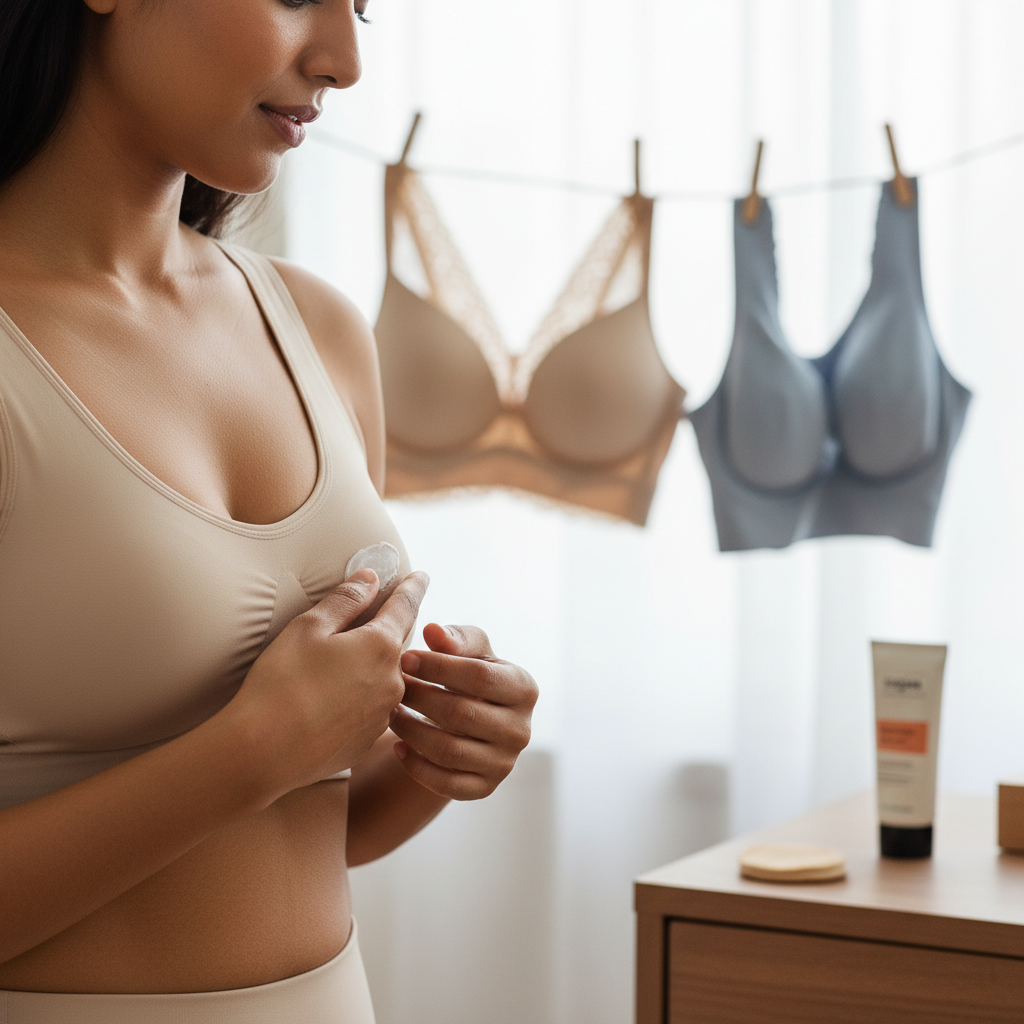
Solutions for Chafing from Bras and Tops
Chafing caused by bras and tops is a common yet uncomfortable problem, especially during warm weather or physical activity. This irritation can lead to redness, rashes, and even pain if left untreated. In this article, we explore effective solutions to prevent and treat chafing from bras and tops, ensuring you stay comfortable and confident all day long.
Understanding the Causes of Chafing from Bras and Tops
Before diving into solutions, it’s essential to understand why chafing occurs. Chafing is the result of repeated skin friction combined with moisture, warmth, and sometimes sensitive skin. When bras or tops rub against the skin, particularly in areas like under the breasts, along the straps, or on the sides, irritation and redness can develop.
Several factors contribute to this friction and discomfort:
- Improper fit: Tight or loose bras and tops can cause excessive rubbing or shifting, increasing friction.
- Fabric choice: Materials that don’t breathe well or have rough seams can irritate the skin.
- Moisture buildup: Sweat trapped between skin and fabric magnifies friction.
- Body movement: Activities like walking, exercising, or even frequent arm movement exacerbate rubbing.
- Skin sensitivity: Some individuals have more delicate skin prone to irritation and chafing.
Identifying your unique causes is key to targeting the right solutions for chafing from bras and tops.
Practical Solutions to Prevent and Treat Chafing from Bras and Tops
Once you understand why chafing happens, you can take proactive steps to minimize and treat it effectively. The solutions fall into two main categories: preventative strategies and treatment options.
Choosing the Right Bras and Tops
One of the most impactful ways to reduce chafing is to select clothing that fits properly and uses skin-friendly materials:
- Proper Fit: Invest time in measuring yourself or getting professionally fitted for bras. The right fit means the band is snug but not tight, cups fully contain the breast without overflow, and straps sit comfortably without digging into shoulders.
- Seamless or Flat-Seamed Clothing: Bras and tops with minimal or flat seams reduce the friction points that cause chafing.
- Breathable Fabrics: Materials like cotton, moisture-wicking fabrics, or soft microfiber allow the skin to breathe and reduce sweat accumulation.
- Padded or Lined Straps: Straps with additional padding or lining can cushion the skin and prevent rubbing.
- Avoiding Rough Edges: Look for bras and tops with smooth edges or use lingerie tape to cover potentially irritating trims.
Maintaining Proper Skin Care
Healthy, well-cared-for skin is less prone to chafing and heals faster if irritation does occur:
- Keep Skin Dry: Moisture is the enemy of chafing. Use absorbent powders such as talcum powder or cornstarch-based powders in susceptible areas before dressing.
- Moisturize Regularly: Applying a gentle, non-greasy moisturizer prevents skin dryness that can exacerbate chafing friction.
- Barrier Creams and Anti-Chafing Balms: Products containing ingredients like petroleum jelly, zinc oxide, shea butter, or specialized anti-chafing agents can create a protective layer on the skin, reducing friction.
- Stay Clean: Shower regularly to remove sweat and bacteria that could irritate already sensitive skin.
- Avoid Harsh Detergents: Wash bras and tops with hypoallergenic or mild detergents to prevent irritation caused by chemical residues.
Treatment for Existing Chafed Skin
If chafing has already occurred, proper treatment helps speed healing and prevent infection:
- Clean Gently: Use lukewarm water and a gentle cleanser to wash the affected area.
- Dry Thoroughly: After washing, pat the skin dry carefully, avoiding rubbing which can worsen the damage.
- Apply Soothing Ointments: Use over-the-counter healing ointments such as aloe vera gel, calendula cream, or antibiotic ointments if there are signs of infection.
- Wear Loose Clothing: Avoid tight bras or tops until irritation clears. Opt for soft, loose-fitting garments that don’t rub.
- Cold Compress: Applying a cold compress for 10-15 minutes can reduce inflammation and discomfort.
- Rest Skin Areas: Giving the skin time to breathe and recover without friction is crucial for healing.
Additional Tips and Lifestyle Considerations
To further minimize chafing risk, consider these lifestyle adjustments:
- Rotate Bras: Avoid wearing the same bra multiple days in a row to reduce wear and maintain elasticity.
- Exercise Smart: Choose sports bras specifically designed to minimize movement and friction during physical activity.
- Hydrate: Well-hydrated skin is more resilient against irritation.
- Weight Fluctuations: Rapid changes in weight can affect fit, so re-evaluate sizing periodically.
- Consider Alternative Styles: Tank tops with built-in shelf bras or seamless camisoles may provide comfort without the friction of traditional bras.
Addressing chafing involves a combination of thoughtful garment choices, diligent skin care, and targeted treatment to keep your skin comfortable and healthy.
Conclusion
Chafing from bras and tops is a common problem that can be effectively managed with the right strategies. Choosing the correct fit, soft and breathable fabrics, and using protective skin care products can prevent irritation. When chafing occurs, gentle cleansing, soothing treatments, and avoiding further friction accelerate healing. By combining proper garment selection with attentive skin care, you can stay comfortable and confident, free from the discomfort of chafing.




 Proudly Indian