
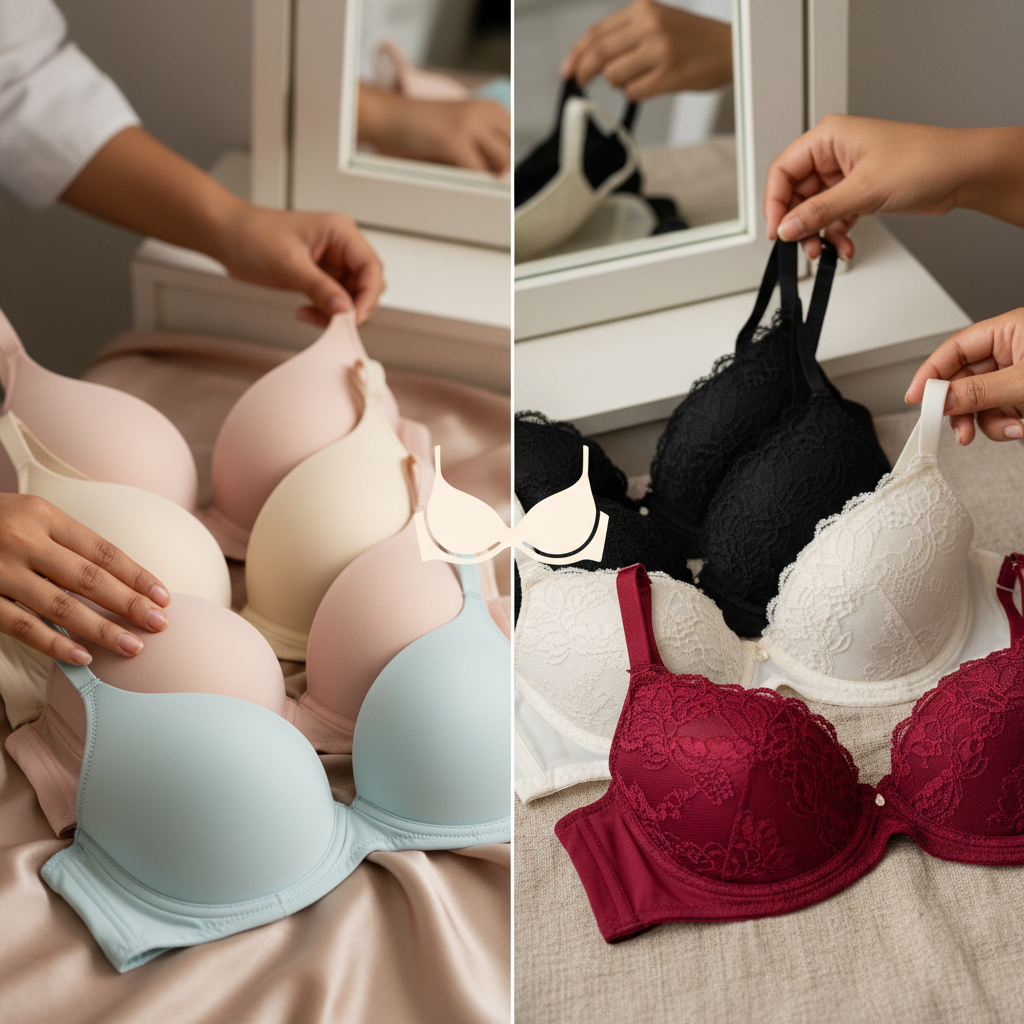
How to Choose Between Padded and Non-Padded Bras
Choosing the right bra can significantly impact your comfort, confidence, and overall appearance. Among the many options available, deciding between padded and non-padded bras is a common dilemma for many women. This article delves into the key differences, benefits, and considerations that will help you make an informed decision based on your personal needs, body type, and lifestyle.
Understanding the Basics: Padded vs. Non-Padded Bras
Before you decide which bra type suits you best, it’s essential to understand what sets padded and non-padded bras apart. Each serves a unique purpose and caters to different preferences and functional needs.
What Are Padded Bras?
Padded bras contain foam or fabric inserts that add volume and shape to the breasts. These inserts vary in thickness, density, and material, offering a range from subtle enhancement to significant boost. Padded bras often include molded cups designed to maintain their shape, even when not worn.
The primary goal of padded bras is to provide:
- Enhanced silhouette by making breasts appear fuller and rounder.
- Concealment of nipples, offering a smooth look under thin or tight clothing.
- Added support especially in designs that combine padding with underwire.
Popular among women with smaller busts looking for extra lift or women desiring a flawless shape under particular outfits, padded bras also come with variations such as push-up styles, light padding, and contour bras.
What Are Non-Padded Bras?
Non-padded bras are designed without any additional foam inserts or padding. They rely on the natural shape of the breasts and the bra’s fabric and construction to provide support and coverage. Non-padded bras come in various designs, such as lace, cotton, or mesh materials, offering varying levels of comfort and breathability.
Benefits of non-padded bras include:
- Natural shape – they preserve the breast’s authentic silhouette without added bulk.
- Lightweight and breathable – often made with softer, thinner fabrics.
- Flexibility in styling – suitable for layering and a more laid-back appearance.
Non-padded bras are often preferred by women who prioritize comfort, dislike the feeling of extra layers, or want a “barely-there” look under clothes.
Factors to Consider When Choosing Between Padded and Non-Padded Bras
Choosing between padded and non-padded bras isn’t just about aesthetics; it involves evaluating various factors such as breast size, clothing choices, comfort preferences, and occasion. Here, we explore these considerations to help you align your bra choice with your lifestyle and body needs.
Breast Shape and Size
The size and natural shape of your breasts play a significant role in determining the most flattering and supportive bra style.
- Smaller or asymmetrical breasts: Padded bras can add volume and create symmetry. The padding compensates for lack of fullness and can enhance confidence by providing a more rounded silhouette.
- Medium to large breasts: Non-padded bras often provide better comfort and fit for larger busts, especially those with wider bands and full-coverage cups. Over-padding can add unnecessary bulk and pressure, which may cause discomfort.
- Consider breast firmness: Women with softer breasts may benefit from padded bras to gain shape, while firmer breasts might maintain their form better with non-padded styles.
Clothing Style and Functionality
Another crucial factor is the type of clothes you typically wear and the look you want to achieve.
- Fitted or thin tops: Padded bras often work better under tight or thin fabrics, preventing nipple visibility and providing a smooth finish.
- Loose or casual wear: Non-padded bras offer a natural look that complements relaxed or layered outfits.
- Special occasion wear: For dresses or outfits that require a sculpted chest shape, a padded or push-up bra can create a polished appearance.
Comfort and Support Preferences
Determining your tolerance for padding and the level of physical activity expected from your bra can influence your choice significantly.
- Comfort seekers: Non-padded bras, often made from lightweight fabrics, can be more comfortable for long hours or hot climates.
- Support needs: Padded bras, particularly those with underwire, often provide stronger lift and hold, which may be necessary during exercise or for heavier busts.
- Skin sensitivity: Non-padded designs with breathable fabric reduce the risk of irritation caused by padding material or seams.
Lifestyle and Activity Level
Your day-to-day routine and activity levels will dictate whether a padded or non-padded bra aligns better with your needs.
- Active lifestyles: Sports bras with light or removable padding are ideal for shock absorption and comfort during movement.
- Work environment: Choosing bras that match your office dress code and comfort needs—padded bras for a structured look, or non-padded for natural ease.
- Sleep or leisure: Lightweight non-padded bras or bralettes take priority when relaxation and breathability are key.
Personal Confidence and Self-Expression
Ultimately, your preference also ties into how you want to feel in your clothes and undergarments.
- If enhancing your bust size boosts your confidence, padded bras offer an instant lift and fuller shape.
- If embracing your natural form feels empowering, non-padded bras emphasize authenticity and subtlety.
Making the Decision: Tips to Choose the Right Bra
After understanding the nuances between padded and non-padded bras, here are some practical steps to finalize your choice.
Evaluate Your Wardrobe Needs
Examine the types of outfits you most often wear. For example, if your wardrobe includes a lot of tight-fitting tops, investing in well-fitting padded bras might enhance your overall look. Conversely, loose and casual fashion benefits from the relaxed fit of non-padded bras.
Try Both Types in Different Settings
Shopping for bras involves more than just size; try both padded and non-padded models to judge how each style feels during daily activities. Pay attention to:
- Support levels throughout the day
- Breathability, especially in warm climates
- The way the bra shapes your bust in various outfits
Prioritize Fit and Comfort Over Looks
No matter how appealing a bra looks, poor fit can cause discomfort or health issues such as shoulder strain or skin irritation. Make sure to get your bra size measured professionally and opt for bras that feel supportive without squeezing too tightly or leaving marks.
Consider Versatility
Some bras offer convertible or removable padding, giving you the option to switch between a padded and non-padded feel depending on your mood or outfit. This flexibility can be a great choice if you want the best of both worlds.
Listen to Your Body
Your personal comfort and confidence should be the guiding factors. If a padded bra feels restrictive, or if a non-padded bra lacks the support you need, don’t hesitate to explore different brands, cuts, or materials until you find your ideal match.
Conclusion
Choosing between padded and non-padded bras depends on a variety of factors, including your breast size, shape, clothing preferences, comfort needs, and lifestyle. While padded bras provide shape enhancement and concealment, non-padded bras offer natural comfort and breathability. By understanding your personal requirements and trying different styles, you can make an informed choice that boosts both your confidence and comfort every day.




 Proudly Indian