
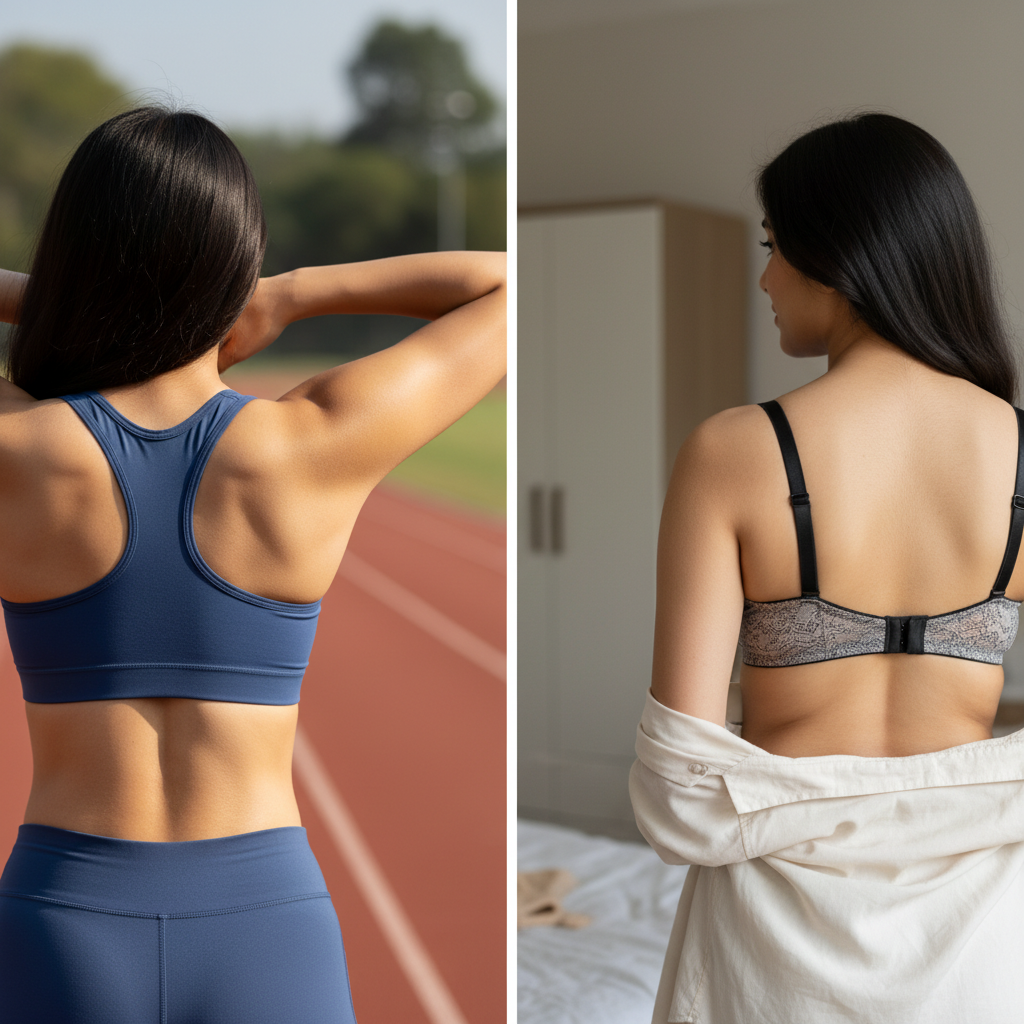
Racerback Bras vs Regular: Which to Buy
Choosing the right bra can significantly affect both comfort and style. Two popular options are racerback bras and regular bras. Each offers unique features that cater to different needs, body types, and fashion preferences. In this article, we’ll explore the differences between racerback and regular bras, helping you decide which one is best suited for your wardrobe and lifestyle.
Understanding the Design and Functionality Differences
To make an informed choice between racerback and regular bras, it’s important to first understand how their designs differ and how these designs affect comfort, support, and outfit compatibility.
Racerback Bras: A Closer Look
Racerback bras feature shoulder straps that meet in a “Y” or “V” shape at the back, typically joining near the middle of the upper back instead of resting on the shoulder blades like regular bras. This design offers several advantages:
- Enhanced Stability and Support: Because the straps converge between your shoulder blades, racerback bras provide better support and can reduce strap slipping, making them ideal for active wear or long hours of use.
- Better Posture: The unique strap configuration encourages an upright posture by allowing shoulder movement without strap interference.
- Ideal for Specific Outfits: Racerback bras work well under sleeveless tops or tank tops that have a racerback cut, ensuring straps remain hidden and offering a seamless look.
- Comfort for High Activity: Many sports bras incorporate the racerback design due to its superior support and reduced movement during exercise.
However, there are considerations:
- The racerback straps may feel more constricting to some, especially if you have broader shoulders or prefer looser fitting straps.
- They may be harder to adjust since most regular bras have adjustable straps that run vertically over the shoulders.
- Not all outfits accommodate racerback bra styles, especially if the top has traditional shoulder cuts or wide straps.
Regular Bras: The Classic Choice
Regular bras are the traditional bras featuring two parallel straps that sit over the shoulders, typically adjustable and detachable in some designs. They are the most common bra style for everyday wear due to their versatility:
- Wide Compatibility: Regular bras can be worn under nearly any type of clothing, including blouses, T-shirts, and dresses with standard shoulder cuts.
- Adjustability: Straps are usually adjustable in length, allowing for personalized fit and support depending on your body’s unique shape.
- Variety of Styles: From push-up to balconette, regular bras come in a wide range of styles, making it easier to find one that meets your specific support and aesthetic preferences.
- Ease of Wear: Many find regular bras simpler to put on and take off because of the straightforward strap design.
Potential drawbacks include:
- Strap slippage can be an issue, requiring frequent adjustments throughout the day.
- Regular straps are sometimes visible under sleeveless or racerback-style tops, which can affect the overall outfit appearance.
- Some bras, due to their strap placement, may be less supportive during high-impact activities.
Choosing the Right Bra for Your Lifestyle and Wardrobe
Both racerback and regular bras have their places in a well-rounded lingerie collection. Selecting the right option depends on factors like clothing style, activity level, comfort preference, and breast shape.
Considering Your Clothing Choices
One of the biggest influences on which bra to buy is how it fits with your wardrobe:
- Racerback Bras: If you frequently wear sleeveless tops, tank tops, or racerback dresses, racerback bras are ideal to avoid visible straps. They offer a sleek look and eliminate the need to constantly adjust straps that might peek out from your outfit.
- Regular Bras: For everyday outfits such as T-shirts, button-ups, blouses, or dresses with regular straps, traditional bras remain the most versatile choice. Since these bras conform to conventional strap placement, they are less likely to interfere with typical sleeve and neckline shapes.
Matching Support Needs to Your Activities
Support level is vital when choosing between racerback and regular bras, especially when considering your physical activity or comfort requirements:
- Active Use and Sports: Racerback bras are preferred for workouts and high-movement activities because their strap design provides greater resistance to slipping and minimizes bounce. Many sports bras are built with racerback styles to maximize support.
- Everyday Comfort: Regular bras offer a range of support levels from light to firm, fitting well under normal, lower-impact daily routines. You can select padded, underwire, or wireless options based on what feels most comfortable.
- Larger Busts: Women with fuller busts often appreciate the enhanced support and security racerback bras provide, especially for athletic wear. However, regular bras with wide straps and proper structure can also deliver necessary support.
Comfort and Fit Considerations
When trying on either racerback or regular bras, consider these comfort factors to avoid discomfort or fit issues:
- Strap Width and Adjustability: Racerback straps may be non-adjustable or have complex adjustment mechanisms, potentially requiring trial to find a comfortable fit. Regular bra straps generally offer straightforward adjustment.
- Material and Breathability: Look for breathable fabrics such as cotton blends or moisture-wicking materials in racerback and regular bras to maintain comfort, especially during extended wear.
- Cup and Band Fit: The band should fit snugly without digging in, and cups must accommodate your breast shape fully. A poorly fitted bra—racerback or regular—can cause strain or discomfort regardless of style.
- Ease of Use: Consider your ability to put on and remove the bra easily. Racerbacks sometimes require extra maneuvers, while regular bras have simpler, more familiar closures and fits.
Maintaining and Styling Your Racerback and Regular Bras
Proper care and styling can extend the life of your bras and enhance the way they complement your outfits. Understanding how to maintain both racerback and regular bra styles is essential.
Caring for Your Bras
Washing and Storage Tips:
- Hand Washing: Both racerback and regular bras benefit from gentle hand washing to preserve fabric elasticity and shape retention.
- Machine Washing Caution: Use a lingerie bag and cold water settings when machine washing, especially for bras with underwires or delicate straps.
- Drying: Avoid the dryer; instead, air dry bras flat or on hangers to keep elasticity intact and prevent deforming the straps or cups.
Styling Racerback vs Regular Bras
When pairing bras with your wardrobe, consider these styling tips:
- Racerback Bras: Beyond workout wear, racerbacks can be a stylish choice under open or cutout-back tops, showcasing unique strap shapes as part of the outfit’s aesthetic.
- Regular Bras: These bras blend seamlessly with classic or professional attire, offering invisibility under thicker fabrics and tops with traditional cuts.
- Multi-functionality: Some bras come with detachable straps that allow conversion between racerback and regular styles, providing a versatile option to reduce bra clutter.
Conclusion
Choosing between racerback bras and regular bras ultimately depends on your lifestyle, wardrobe preferences, and comfort needs. Racerback bras excel in sports, high-support scenarios, and with racerback-style clothing, while regular bras offer versatile support and better compatibility with everyday wear. By understanding design differences, support levels, comfort, and style considerations, you can select the best bra type to fit both your body and fashion choices, ensuring confidence and comfort every day.




 Proudly Indian