
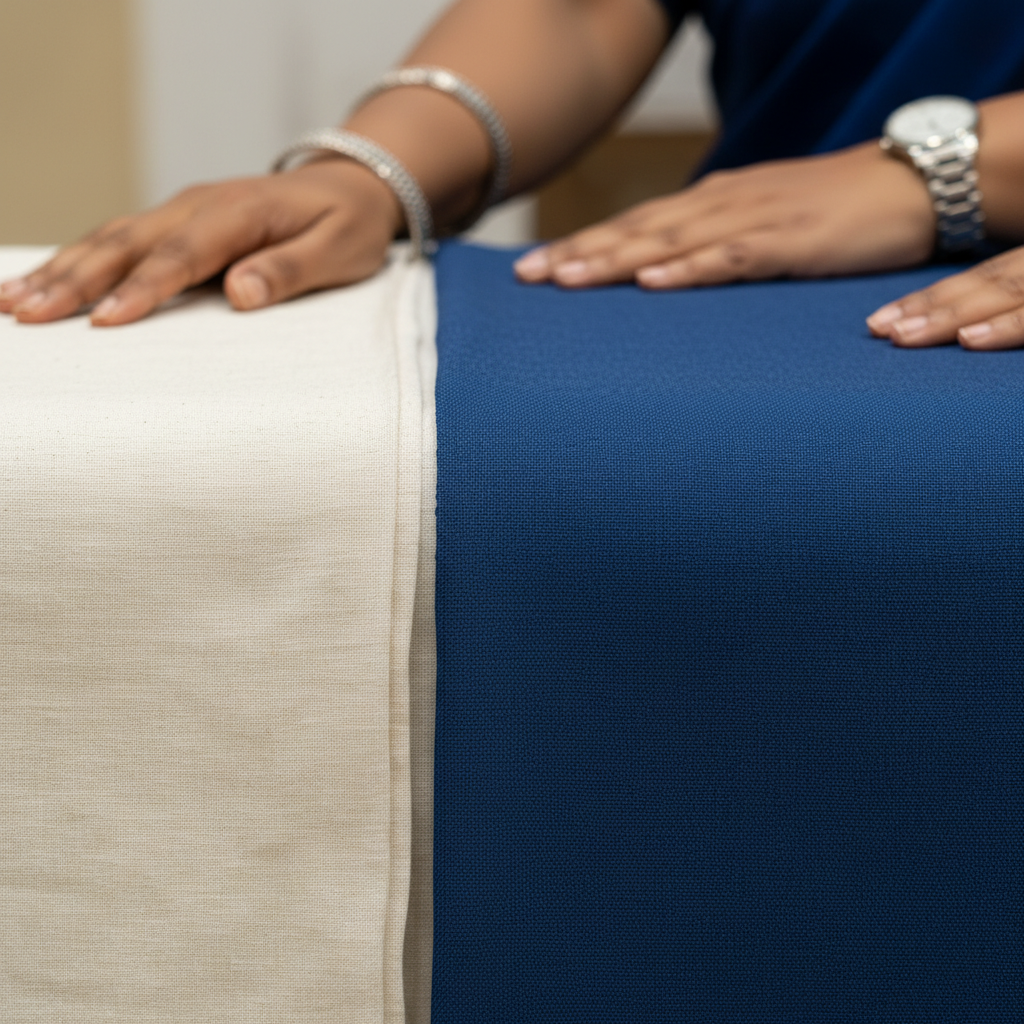
Cotton vs Polyester: Which is Better for Daily Wear?
Choosing the right fabric for daily wear can greatly impact comfort, durability, and overall satisfaction. Two of the most popular choices are cotton and polyester, each offering unique benefits and drawbacks. This article explores the differences and helps you decide which fabric suits your everyday wardrobe needs best.
Understanding Cotton and Polyester: Composition and Properties
Cotton is a natural fiber harvested from the seed hairs of the cotton plant. Known for its softness, breathability, and absorbency, it has been a staple in clothing for centuries. Since it is a natural material, cotton is biodegradable and generally considered environmentally friendly, depending on farming practices.
Polyester, on the other hand, is a synthetic fabric made from petroleum-based products. Introduced in the mid-20th century, polyester revolutionized the textile industry with its wrinkle resistance, durability, and ease of care. Polyester fibers are formed through a chemical process called polymerization, resulting in fabric that is strong and resistant to stretching and shrinking.
Comfort and Breathability
When it comes to daily wear, comfort is paramount. Cotton’s natural fibers allow air circulation, making it highly breathable. This breathability prevents heat and moisture buildup, which is especially beneficial in hot and humid climates. Cotton’s ability to absorb moisture (up to 27 times its weight) makes it excellent for managing sweat, keeping the skin dry and comfortable.
Polyester, being synthetic, is less breathable and tends to trap heat and moisture close to the skin. However, modern textile technology has led to the development of polyester blends and moisture-wicking fabrics that attempt to mitigate these issues. These polyester variants are designed to pull moisture away from the body, making them popular in sportswear but sometimes less comfortable for casual daily wear.
Durability and Maintenance
Durability is another key factor when choosing between cotton and polyester. Cotton fabric tends to be softer but cuts no slack on strength. It can degrade over time, especially with frequent washing or exposure to harsh detergents. Cotton tends to shrink and wrinkle, requiring careful maintenance and ironing.
Polyester excels in durability. Its fibers are elastic, resistant to most chemicals, stretching, shrinking, and wrinkles, making it a low-maintenance option. Polyester dries quickly, which is advantageous for active lifestyles or those needing quick wardrobe turnover. It also resists moths and mildew, problems that often plague natural fibers like cotton.
Environmental Impact and Cost Considerations
Environmental Impact
While cotton is a natural fiber, it isn’t without its environmental challenges. Conventional cotton farming uses a significant amount of water — approximately 2,700 liters to produce just one cotton t-shirt. Pesticides and insecticides used in these farms can also have detrimental effects on ecosystems and farmworker health. Organic cotton, which avoids synthetic chemicals, offers a more sustainable choice but typically comes at a higher price.
Polyester’s drawbacks lie in its origin. Manufactured from fossil fuels, it contributes to carbon emissions. Moreover, polyester is non-biodegradable, contributing to microplastic pollution when washed, which has raised environmental concerns worldwide. However, advancements in recycling have allowed the production of recycled polyester from plastic bottles, offering a more sustainable alternative.
Cost and Accessibility
Cotton garments often carry a higher price tag compared to polyester because of the farming and processing involved. The demand for organic cotton, fair trade certifications, and superior softness further pushes prices upward. However, cotton’s natural fibers often justify the cost for those prioritizing comfort and breathability.
Polyester is generally more affordable, making it a popular choice in fast fashion and mass production. Its adaptability to blends with other fabrics (such as cotton-polyester blends) helps reduce costs while attempting to balance comfort and durability. Polyester’s affordability and resilience make it a sensible option for budget-conscious shoppers or those needing clothing suited for rigorous use.
Which Fabric Is Right for Your Daily Wear?
Choosing between cotton and polyester involves weighing multiple factors related to lifestyle, climate, budget, and values.
- Consider Cotton if: You prioritize moisture absorption, breathability, and natural fibers, especially if you live in warm or humid areas. Cotton suits individuals with sensitive skin or allergies better, as it contains fewer chemicals and irritants.
- Consider Polyester if: You need durability, wrinkle resistance, and low maintenance. Polyester is ideal for active lifestyles, travel, or if you frequently need quick-drying clothes. Blended fabrics also provide versatility and balanced performance.
Blended Fabrics: Many consumers find an excellent middle ground in cotton-polyester blends. These blends combine cotton’s softness and breathability with polyester’s durability and wrinkle resistance, resulting in fabrics that perform well across various everyday scenarios.
Ultimately, your daily wear choice depends on your specific needs. If comfort and environmental sensitivity top the list, cotton is likely the better choice. For practicality and cost-effectiveness, polyester holds advantages. Exploring both and even blends can help you build a versatile and comfortable wardrobe.
Conclusion
Both cotton and polyester have distinct strengths and weaknesses that affect daily wear comfort, maintenance, cost, and environmental impact. Cotton excels in softness and breathability, making it ideal for comfort and sensitive skin, while polyester offers greater durability, wrinkle resistance, and affordability. By understanding these differences, you can make an informed decision tailored to your lifestyle. For many, a cotton-polyester blend strikes the perfect balance for everyday wear.




 Proudly Indian