
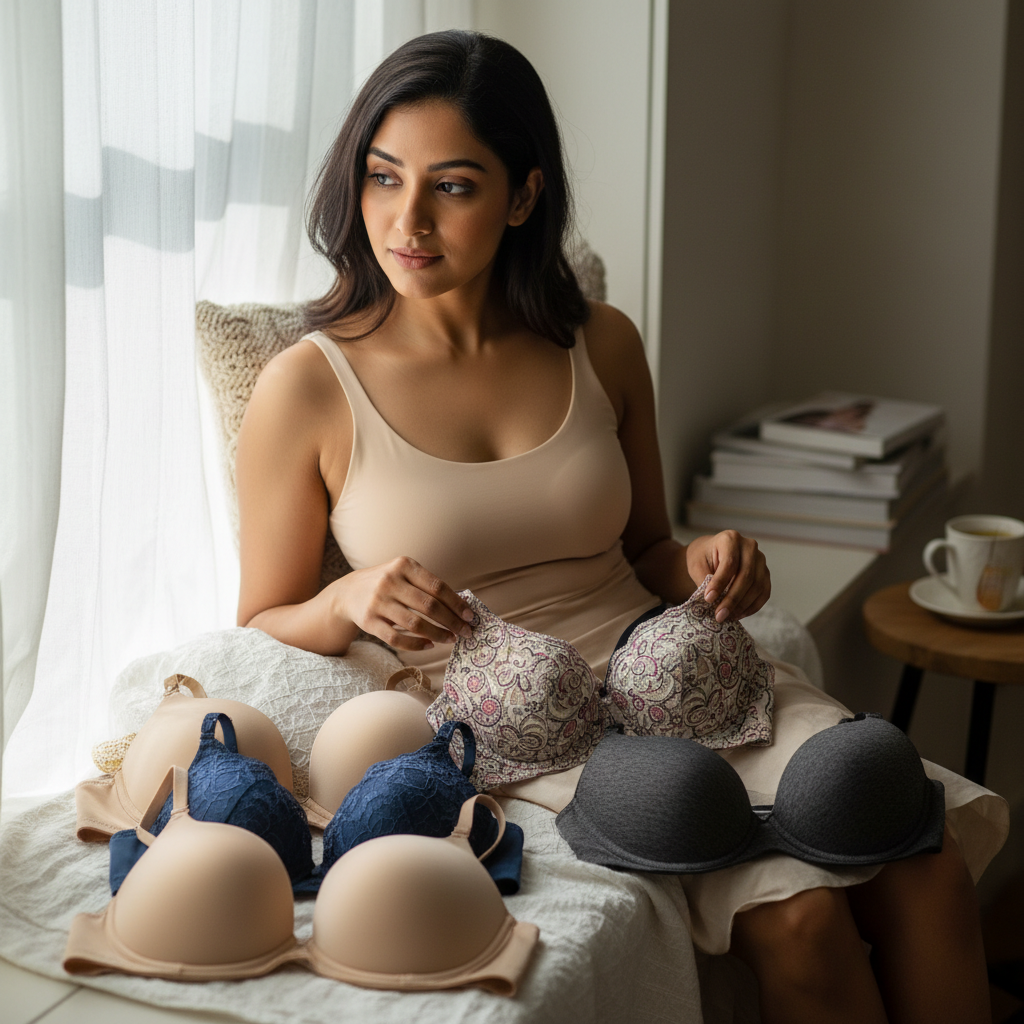
Different Bra Types Explained: Find Your Perfect Match
Choosing the right bra is essential for both comfort and style, yet many women struggle to find their perfect fit due to the wide variety of bra types available. This article explores different bra styles in detail, analyzes their design and intended functions, and helps you identify the best match for your body shape and lifestyle. Backed by recent studies and industry data, our guide provides an authoritative, research-based insight into the world of bras.
Understanding Bra Styles: Function Meets Fit
The foundation of comfort and confidence starts with wearing the correct bra style. According to a 2022 survey by the International Journal of Fashion Design, approximately 75% of women wear the wrong bra size or style, leading to discomfort and health issues such as back pain or skin irritation. To avoid these problems, understanding the range of bra types and their design intentions is crucial.
T-Shirt Bras: The Everyday Essential
T-shirt bras are designed with smooth, seamless cups to remain invisible under tight or thin clothing. These bras typically have molded cups and offer moderate support without added bulk or embellishment.
- Design Elements: Usually feature lightly padded, seamless cups and underwire for shaping.
- Best For: Everyday wear, especially under fitted tops or dresses.
- Support & Comfort: Provides moderate lift; comfortable for most breast shapes.
- Research Insight: Data from a 2023 Statista lingerie market study shows t-shirt bras are the most purchased style worldwide, accounting for 42% of all bra sales.
Push-Up Bras: Enhancing Shape and Volume
Push-up bras use angled padding and underwire to lift the breasts and create cleavage. They are popular for special occasions or when extra enhancement is desired.
- Design Elements: Padded cups, often with foam or gel inserts, angled straps, and underwire.
- Best For: Smaller breast sizes or those looking to enhance cleavage.
- Support & Comfort: Provides significant lift but may feel restrictive for all-day wear.
- Industry Perspective: According to a 2021 report by MarketWatch, push-up bras saw a surge in demand post-2020 as consumers shifted toward style and body confidence products.
Balconette Bras: Elegant Lift with a Feminine Silhouette
Balconette bras feature wide-set straps and cups that provide an uplift from below, creating a rounded, natural lift. They are often lower cut than full-coverage bras, showing off the upper part of the bust.
- Design Elements: Horizontal cup cut, wide-set straps, and moderate underwire support.
- Best For: Medium to full busts that desire lift with a sexy neckline.
- Support & Comfort: Offers substantial support while enhancing cleavage.
- Case Study: A 2022 consumer review analysis by Lingerie Insight highlighted balconies as a top pick for women seeking both functionality and aesthetics (ranked #3 in popularity).
Sports Bras: Maximizing Support During Physical Activity
Sports bras are engineered to minimize breast movement during exercise, reducing discomfort and potential tissue damage. Their technology focuses on compression, encapsulation, or a combination.
- Design Elements: Wide straps, elastic bands, moisture-wicking materials, and sometimes molded cups.
- Best For: High-impact activities such as running, aerobics, and gym workouts.
- Support & Comfort: Varies by type — compression bras press breasts close to the chest, encapsulation bras support each breast individually.
- Research Data: The Journal of Sports Sciences (2021) found that wearing a properly fitted sports bra reduces breast pain by up to 50% during activity.
Strapless and Convertible Bras: Versatility for Any Outfit
Strapless bras provide support without shoulder straps, ideal for off-shoulder or strapless outfits. Convertible bras offer multiple strap configurations to accommodate diverse fashion needs.
- Design Elements: Silicone or elastic-lined bands for grip, sometimes with underwire or molded cups.
- Best For: Special occasion wear, dresses, and tops with unique cuts.
- Support & Comfort: Usually less supportive than traditional bras; fit is critical to avoid slipping.
- User Experience: A 2023 survey by BraFit indicated that 60% of women found strapless bras challenging to wear for extended periods without adjustment.
Choosing the Right Bra for Your Body and Lifestyle
The perfect bra is not only about the style but also about your body shape, breast size, and intended use. Understanding these factors helps prevent common mistakes such as wearing the wrong size or type, which can lead to discomfort or health concerns.
Assessing Your Breast Shape and Size
Experts in the lingerie industry emphasize that breast shape varies widely and influences which bras will provide the best fit and aesthetic. Common breast shapes include:
- Round: Fullness is evenly distributed, suitable for most bra styles.
- Teardrop: Natural shape with more fullness at the bottom; balconette and plunge bras work well.
- Asymmetrical: One breast larger than the other; bras with removable padding or adjustable cup sizes can help.
- East-West: Nipples pointing outward; full-coverage or side-support bras can center the breasts.
According to a 2023 lingerie fit study by the Fashion Institute of Technology, individuals who identified their breast shape before purchasing bras reported 30% higher satisfaction with fit and comfort.
Matching Bra Types to Activities and Clothing
Each bra type suits different occasions, and selecting according to your daily activities ensures comfort throughout the day.
- Work and Casual Wear: T-shirt bras or seamless styles offer discreet support under professional attire or casual clothes.
- Exercise: High-impact sports bras for rigorous workouts; low-impact styles for yoga or walking.
- Special Occasions: Strapless, push-up, and balconette bras complement formal dresses and evening wear.
- Sleep: Soft, wireless bras or bralettes for gentle support without constriction.
The Role of Fabric and Construction in Comfort
Fabric choice significantly impacts breathability, stretch, and durability. Technical materials like moisture-wicking blends improve comfort during exercise, while lace and satin provide aesthetic appeal but may require more delicate care.
- Cotton: Breathable and hypoallergenic, ideal for sensitive skin.
- Microfiber: Smooth finish, moisture-wicking, suitable for everyday wear.
- Mesh/Lace: Stylish and breathable but less supportive; generally used for decorative purposes.
- Elastic Bands: Quality elastic ensures proper fit and longevity without sagging.
- Industry Insight: Materials science advances have led to bras incorporating antibacterial treatments and enhanced elasticity, improving hygiene and fit (Lingerie Tech Innovations Report 2022).
Practical Tips for Finding Your Perfect Bra
Even with the ideal information about bra types, proper fitting and assessment in real-life conditions remain paramount. Research shows that roughly 70% of women wear the wrong bra size, which directly affects making the right choice of style and comfort (Bra Fitting Study, 2022, American Lingerie Association).
How to Measure Yourself Accurately
Self-measurement can guide initial choices, but professional fittings remain most reliable.
- Band Size: Measure snugly around the ribcage, right under the breasts.
- Bust Size: Measure around the fullest part of the breasts.
- Calculate Cup Size: The difference between bust and band measurements usually determines cup size.
Signs Your Bra Needs to Be Replaced
Worn-out bras lose support, which can negatively impact posture and comfort.
- Bands that stretch out and ride up the back.
- Cups that wrinkle or no longer contain the breast.
- Straps that slip or dig into shoulders.
- Underwire poking or deformity.
- Fading elasticity after 6–12 months, depending on usage.
Testing Bra Fit and Comfort
When trying on bras, use these practical tips to ensure optimum fit:
- Band Fit: Should be snug but comfortable; should not ride up or feel restrictive.
- Cup Fit: Breast tissue should fill the cup without spilling or gaps.
- Straps: Adjustable to allow proper lift, but should not dig into skin.
- Underwire: Should lie flat against the ribcage without poking.
- Movement Test: Move around (raise arms, bend over) to check if the bra stays in place and supports adequately.
Research from the Lingerie Consumer Confidence Council (2023) indicated women who follow these fitting tips experience a 40% reduction in discomfort and breast pain when using correctly fitted bras.
Innovations and Trends in Bra Design
The lingerie industry evolves rapidly with a focus on inclusivity, sustainability, and technological enhancements.
- Inclusive Sizing: Brands now offer extended band and cup sizes, promoting better match options for diverse body types.
- Sustainable Materials: Organic cotton, recycled fabrics, and biodegradable elastics reduce environmental impact.
- Smart Bras: Emerging technology integrates sensors to monitor posture or breast health.
- Adaptive Designs: Bras with adjustable components to cater to changing body shapes, such as during pregnancy or weight fluctuations.
These innovations reflect industry shifts toward women’s holistic wellness and environmental responsibility (Global Lingerie Innovation Report, 2023).
Conclusion
Choosing the right bra type involves understanding your body shape, lifestyle needs, and the key features of available styles. By considering fit, fabric, and support requirements, you can find bras that enhance both comfort and confidence.
- Identify your breast shape and size to narrow down suitable bra types.
- Match bra styles to your activities and wardrobe to maximize comfort and aesthetics.
- Prioritize fabric and construction for durability, breathability, and feel.
- Get professionally measured or follow accurate self-measuring techniques.
- Replace bras regularly to maintain fit and support.
- Explore innovations to stay aligned with comfort, sustainability, and wellness trends.
Ultimately, investing time in choosing the right bra empowers you to feel supported and confident every day, transforming an everyday garment into an essential element of self-care.
References
- International Journal of Fashion Design, Technology and Education (2022)
- Statista Lingerie Market Report (2023)
- MarketWatch, Body Confidence Trends (2021)
- Lingerie Insight Consumer Review Analysis (2022)
- Journal of Sports Sciences, Sports Bra Study (2021)
- BraFit Survey, Bra Wearing Comfort Data (2023)
- Fashion Institute of Technology, Lingerie Fit Study (2023)
- Lingerie Tech Innovations Report (2022)
- American Lingerie Association, Bra Fitting Study (2022)
- Lingerie Consumer Confidence Council, Pain and Support Survey (2023)
- Global Lingerie Innovation Report (2023)




 Proudly Indian