
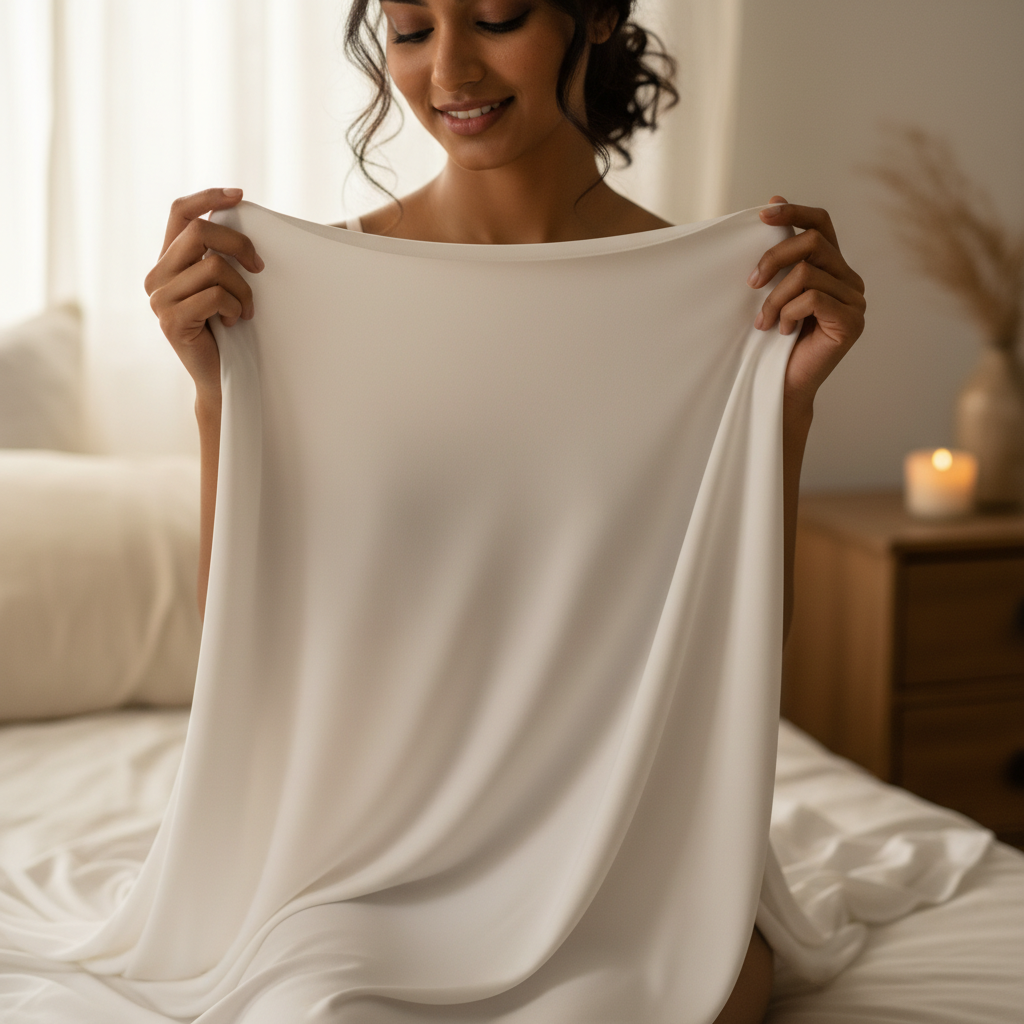
The Benefits of Modal Fabric for Intimate Wear
Intimate wear requires materials that provide comfort, durability, and breathability. Among various fabric options, modal fabric has emerged as a preferred choice for many due to its soft texture and numerous functional advantages. In this article, we will explore the outstanding benefits of modal fabric specifically in the context of intimate apparel, examining why it is a superior fabric choice for sensitive and personal clothing.
Why Modal Fabric is Ideal for Intimate Wear
Modal fabric is a type of semi-synthetic cellulose fiber, primarily made from beech tree pulp. It boasts qualities that make it especially suitable for intimate wear, such as underwear, lingerie, and sleepwear. Understanding these intrinsic fabric properties helps explain the growing popularity of modal among designers and consumers alike.
Unmatched Softness and Comfort
One of the primary draws of modal fabric is its exceptionally soft feel. Unlike many synthetic and even natural fibers, modal has a smooth, silky texture that feels gentle against the skin. This softness is crucial for intimate wear, as these garments are worn close to the body on a daily basis, often for long periods.
- Sensory Comfort: The smooth surface of modal reduces friction and irritation, making it ideal for sensitive skin and preventing chafing.
- Moisture Absorption: Modal is highly absorbent, able to wick moisture away from the skin, which helps keep intimate areas dry and comfortable, reducing the risk of infections or rashes.
- Breathability: This fabric allows air to circulate, promoting ventilation and enhancing overall comfort, especially in warmer climates or during physical activities.
Durability and Shape Retention
While comfort is paramount in intimate wear, durability and the ability to retain shape are equally important. Modal fabric exhibits a remarkable balance between softness and strength:
- Resistance to Shrinking and Pilling: Modal resists shrinkage, maintaining size and fit after multiple washes. It also shows low pilling, which helps the garment stay smooth and fresh-looking over time.
- Stretch and Recovery: When blended with elastane or spandex, modal fabric stretches easily and returns to its original shape, providing a snug yet flexible fit essential for bras, briefs, and bodysuits.
- Color Retention: Modal holds dyes exceptionally well, which means intimate wear made from this fabric remains vibrant and attractive wash after wash.
Environmental and Health Benefits of Modal in Intimate Apparel
The choice of fabric in intimate wear also reflects growing consumer concerns about sustainability and healthy living. Modal fabric brings certain advantages in these areas, enhancing its appeal beyond just physical properties.
Sustainably Sourced and Eco-Friendly Production
Modal is derived from natural wood pulp, primarily sourced from sustainably managed beech tree forests. Its production process is more eco-friendly compared to many synthetic fabrics:
- Lower Water Usage: Modal production uses less water than conventional cotton farming, reducing environmental strain.
- Biodegradability: As a cellulose-based fiber, modal decomposes naturally without releasing toxic residues, which makes it less harmful to landfills.
- Closed-Loop Production: Many modal manufacturers use a closed-loop system, recycling water and solvents to minimize waste and pollution.
Hypoallergenic and Skin-Friendly Properties
For intimate wear, which contacts the skin intimately, fabric safety plays a crucial role in wearer health and hygiene:
- Hypoallergenic Nature: Modal fabric rarely causes allergic reactions or skin irritations, making it suitable for people with sensitive skin or allergies.
- Bacteria Resistance: Although not inherently antibacterial, modal’s breathability and moisture-wicking abilities reduce bacteria growth associated with sweating, decreasing odor and infection risk.
- Chemical Safety: Modal production involves fewer harsh chemicals than many synthetic fabrics or cotton, and it is often processed with eco-certifications ensuring low residual toxins.
Blending Modal for Enhanced Performance
Many intimate wear brands blend modal with other fabrics such as cotton, spandex, or nylon. This combination leverages the benefits of modal while addressing specific garment needs:
- Modal-Cotton Blends: Offer enhanced breathability and softness with added durability.
- Modal-Elastane Blends: Improve stretch and fit, crucial for shaping underwear and bras.
- Modal-Nylon Blends: Enhance strength and moisture management for activewear-oriented intimate apparel.
Such blends extend the fabric’s versatility, making modal fabric suitable for a wide range of intimate clothing styles and uses.
Conclusion
Modal fabric stands out as an exceptional material choice for intimate wear due to its superior softness, moisture-wicking capabilities, and durable performance. Beyond comfort and aesthetics, modal offers environmental benefits and skin-friendly properties that align with today’s health-conscious and eco-aware consumers. Whether worn daily or for special occasions, intimate garments made from modal ensure a blend of luxury, functionality, and sustainability—making them a smart choice for anyone seeking comfortable and reliable intimate apparel.




 Proudly Indian