
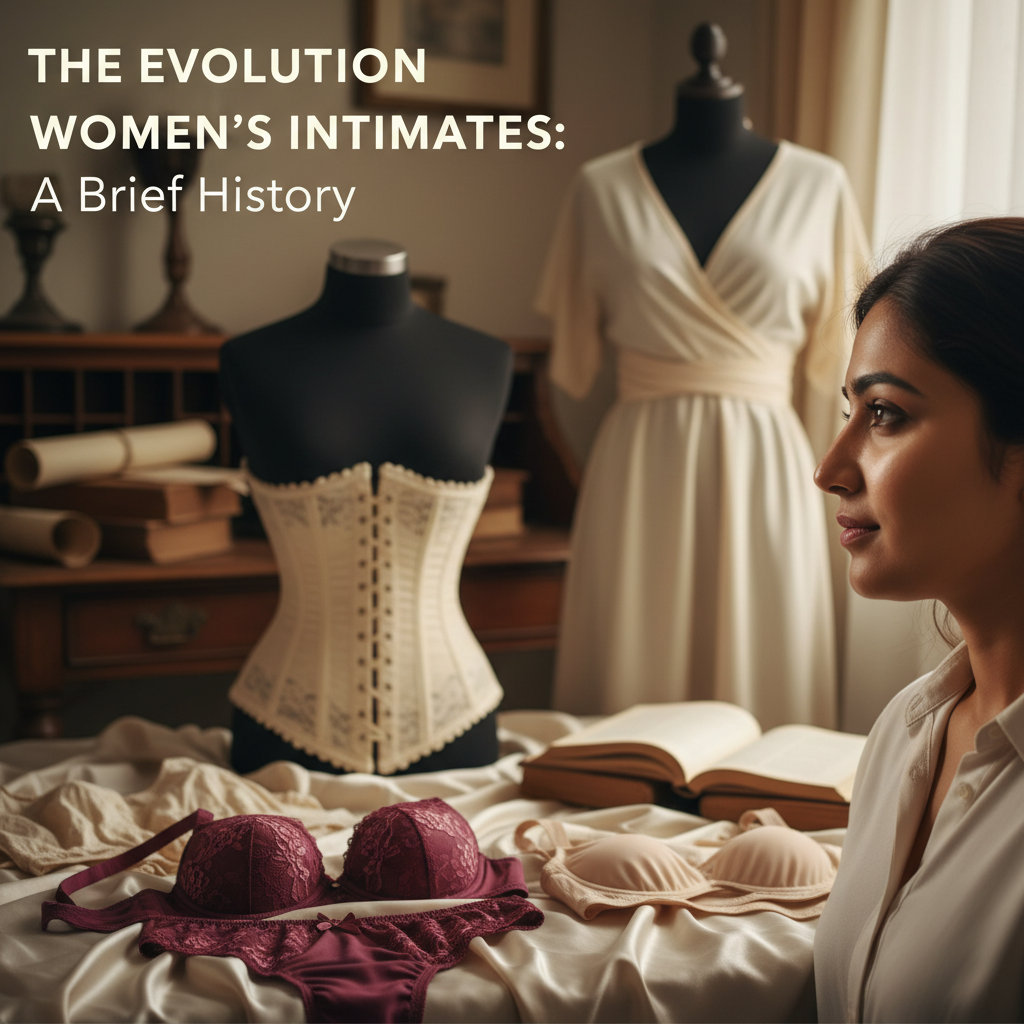
The Evolution of Women’s Intimates: A Brief History
Women’s intimates have undergone a remarkable transformation over the centuries, evolving from purely functional garments to symbols of empowerment, fashion, and personal expression. This article explores the fascinating journey of women’s undergarments, tracing their origins, cultural significance, and the innovations that have shaped modern intimate apparel.
The Beginnings: Functionality and Social Status
Women’s intimates originated primarily as functional garments designed to provide support, modesty, and protection. In ancient civilizations like Egypt, Greece, and Rome, early undergarments were rudimentary but practical. For example, in ancient Rome, women wore a strophium or mamillare, a band of cloth wrapped around the chest to support the breasts.
As societies grew more complex, the role of intimate wear expanded beyond practicality and began to reflect social hierarchies. During the Middle Ages, undergarments were minimal, often limited to simple shifts or chemises made from linen to protect outer garments from sweat and dirt. These pieces were basic but essential for hygiene and comfort.
The Renaissance period brought significant changes. Corsetry began to emerge as a critical component of women’s fashion, emphasizing an idealized silhouette that reflected wealth and femininity. Corsets, initially stiffened with materials like whalebone or wood, shaped the torso to achieve a narrow waist and an uplifted bust. They were worn by upper-class women, symbolizing status and refinement, though they often compromised comfort and health.
The Industrial Revolution and the Birth of Modern Intimates
The industrial revolution of the 18th and 19th centuries revolutionized textile production and garment manufacturing. Mass production made lingerie more accessible to broader segments of society. During this period:
- Corset designs became more structured, with steel boning replacing wood and whalebone, intensifying the hourglass shape.
- New fabrics like cotton and lace were introduced, adding variety and delicacy to intimate garments.
- Garments diversified to include not only corsets but also petticoats, camisoles, and stockings, laying the foundation for modern lingerie layering.
Despite technological advances, the restrictive nature of corsets sparked criticism. Health concerns and changing attitudes toward women’s roles encouraged a slow but steady shift towards less confining intimates.
The 20th Century: Liberation, Innovation, and Style
The 20th century marked a revolutionary era for women’s intimates, moving from rigid corsetry to designs that balanced comfort, support, and style. This shift was driven by social change, technological innovation, and changing beauty standards.
The Early 1900s: The Decline of the Corset
In the early 1900s, the restrictive corset began to lose favor, replaced by the bust bodice and brassieres. The invention of the bra is often credited to Mary Phelps Jacob in 1914, who patented a simple, two-handkerchief design held by straps, which offered more freedom of movement and comfort than traditional corsetry.
During the World Wars, women’s changing roles in the workforce accelerated intimate wear innovation. Functional, supportive bras with elastic fabrics emerged, fitting the needs of active lifestyles and reflecting the shift away from purely decorative pieces.
The Mid-Century: Glamour and Femininity
The 1940s and 1950s heralded a return to glamour with lingerie designed to enhance the hourglass figure popularized by Hollywood icons. Bullet bras with pointed cups and high-waisted panties became iconic, celebrating curvaceous shapes. Materials like nylon and satin became prevalent, adding sheen and luxury.
Advertising during this era began emphasizing the desirability of intimate apparel beyond functionality, positioning lingerie as essential to a woman’s confidence and sexuality. This period also saw the rise of specialized garments such as girdles and stockings, which were staples in most women’s wardrobes.
The Late 20th Century: Diversity and Empowerment
The sexual revolution of the 1960s and beyond brought freedom, diversity, and experimentation to women’s intimates. The feminist movement challenged conventional beauty standards and the idea that women should wear uncomfortable undergarments to satisfy societal expectations.
- Comfort-first designs: The 1960s and 70s introduced seamless bras, bralettes, and more relaxed fits that prioritized health and comfort.
- Fashion as expression: Lingerie became a statement of self-expression, with bold colors, patterns, and new styles reflecting individuality.
- Inclusivity: The late 20th century began recognizing diverse body shapes and sizes, encouraging brands to embrace wider size ranges.
Modern Day Intimates: Technology, Sustainability, and Inclusivity
Today’s women’s intimate apparel industry continues to evolve, integrating technological advances with shifting cultural values:
- Innovative materials such as moisture-wicking fabrics, wireless bras, and smart textiles offer unprecedented comfort and functionality.
- Sustainability has become a major focus, with brands adopting eco-friendly fabrics, ethical production methods, and recyclable packaging.
- Inclusive sizing and representation have become industry standards, with curves, plus sizes, and adaptive lingerie gaining prominence.
- Personal empowerment: Lingerie is now embraced as a form of self-love and confidence, transcending traditional norms about who, how, and why intimates are worn.
Digital shopping and social media also play pivotal roles, allowing women to explore and celebrate lingerie styles from around the world, making intimates a crucial part of fashion, identity, and lifestyle.
Conclusion
The evolution of women’s intimates is a compelling story of transformation driven by social change, innovation, and shifting cultural ideals. From the restrictive corsets of the Renaissance to the comfortable, expressive lingerie of today, women’s intimate apparel reflects broader journeys toward freedom, empowerment, and individuality. As the industry continues to evolve, the focus remains on marrying comfort with style, inclusivity, and sustainability, ensuring intimates meet the diverse needs of modern women worldwide.




 Proudly Indian