
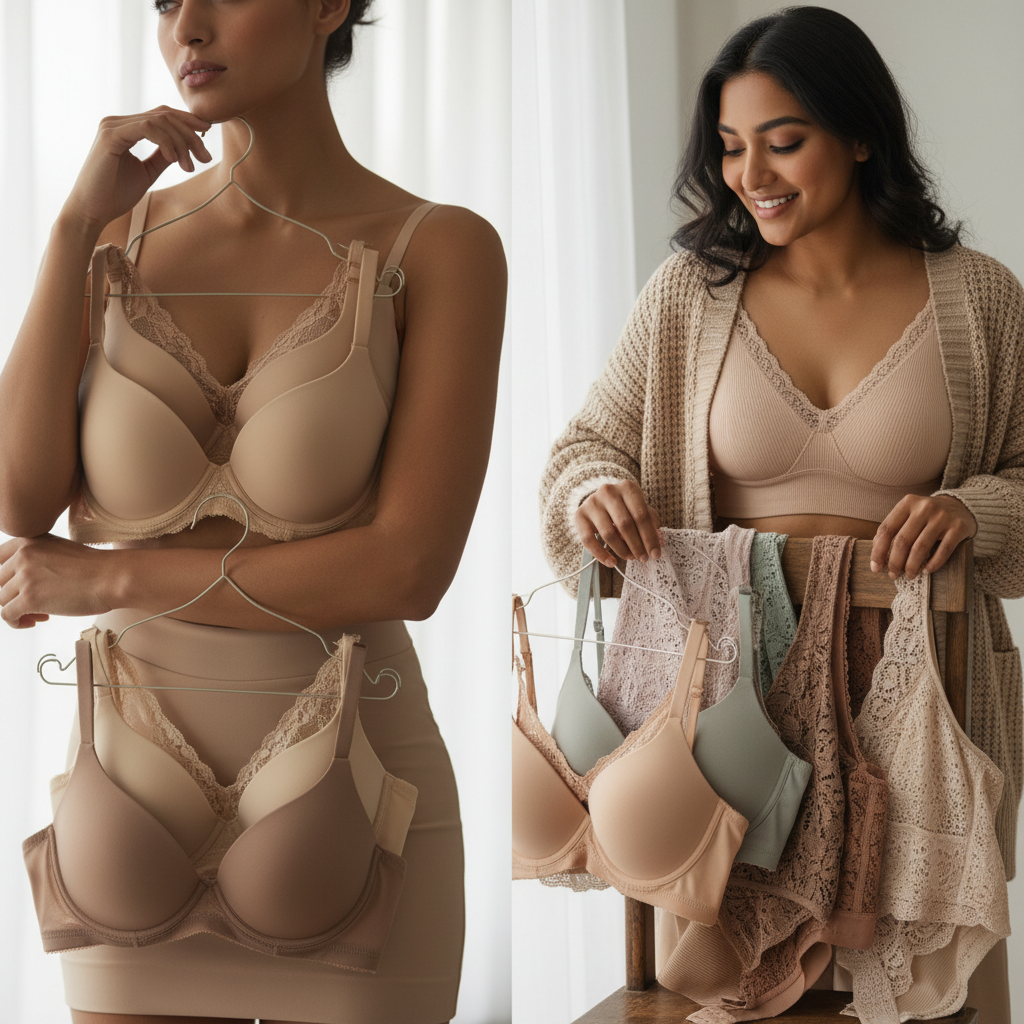
Bras vs Bralettes: Which Should You Choose?
Choosing the right undergarment can greatly influence your comfort, style, and confidence. Bras and bralettes are two popular options, each offering distinct benefits depending on your needs. In this article, we’ll explore the differences between bras and bralettes, diving deep into their design, support, comfort, and how to decide which is best suited for you.
Understanding the Differences: Bras and Bralettes Explained
To make an informed choice between bras and bralettes, it’s essential to understand what each entails and how they function. While both serve as foundational garments for most wardrobes, their design philosophies and purposes differ significantly.
Bras: Built for Structure and Support
Bras have been a fashion and functional staple for decades, designed to provide substantial support, shape, and lift. They come in various types – including push-up, balconette, sports, and full-coverage bras – each tailored to specific needs.
- Structure: Traditional bras usually have underwires, molded cups, and adjustable straps to offer firm support. This structure helps shape the breasts, enhancing silhouette.
- Support: For many women, especially those with larger busts, bras provide the necessary support to reduce discomfort, prevent sagging, and offer posture benefits.
- Variety: There is a wide range of styles, catering to different clothing types, occasions, and personal preferences.
- Functionality: Beyond aesthetics, bras can aid in activities like sports or formal events, where lifting or shaping is desired.
However, bras can sometimes feel restrictive and uncomfortable due to underwires or tight bands. Wearing the wrong size or style can lead to discomfort throughout the day.
Bralettes: Comfort and Style Combined
Bralettes, on the other hand, have surged in popularity mainly due to the modern preference for comfort and natural aesthetics. They are often wire-free, less structured, and made from softer fabrics like lace, cotton, or mesh.
- Comfort: Without rigid underwires or heavy padding, bralettes allow for more freedom of movement and breathability, making them perfect for casual wear or lounging.
- Style: Bralettes often feature appealing designs with intricate lacework, making them suitable to be seen as outerwear or layered under sheer tops.
- Support level: They provide light to moderate support, suitable for those with smaller bust sizes or individuals who prioritize comfort over lift.
- Versatility: Many bralettes are designed with a wire-free system and adjustable straps, but their support remains minimal compared to full bras.
While bralettes excel in comfort and aesthetics, they may lack the necessary support for larger busts or high-impact activities, limiting their functionality in some cases.
Deciding Factors: How to Choose Between Bras and Bralettes
Choosing the right undergarment boils down to your unique requirements, lifestyle, and preferences. Here are crucial factors to consider when deciding between a bra and a bralette.
Consider Your Bust Size and Support Needs
One of the most significant determinants is your bust size and the level of support you require. Women with larger busts often benefit from the structured support of bras, which can provide lift, reduce back strain, and improve posture. Bras with underwires and molded cups deliver the firmness that many larger-busted individuals need for comfort during daily activities.
Conversely, bralettes are ideal for those with smaller to medium bust sizes who don’t require the same level of support. The gentle compression and minimal structure can still offer enough comfort without sacrificing ease of movement. For lounging, sleeping, or low-impact days, bralettes offer a freeing alternative.
Evaluate Your Activity Level and Occasion
Your daily activities and events play a significant role in your choice. If you’re engaging in high-impact sports or need to wear fitted formal attire, bras designed explicitly for those purposes provide necessary support and shaping. Sports bras, for example, are engineered to reduce bounce and discomfort during physical exercise.
On casual days, relaxing at home, or when opting for a more natural look under casual outfits, bralettes are often more practical and fashionable. Their lighter construction is less restrictive, which can make a big difference in comfort for everyday wear.
Comfort versus Aesthetic Preference
Comfort is subjective but paramount. Underwear that fits well and feels pleasant enhances your confidence and wellbeing all day long. Many women report that bralettes feel less confining and more breathable, making them the preferred choice for extended wear. If you have sensitive skin or dislike pressure points from straps and wires, a bralette might be the best fit.
On the flip side, bras provide a polished silhouette ideal for tight or form-fitting tops, elevating style and self-image. For occasions requiring a smoother or enhanced shape, bras are typically the go-to option. Some women combine both, selecting bralettes for downtime and bras for work or social events.
Fashion and Styling Choices
Both bras and bralettes offer numerous styles, but the way they integrate with your wardrobe can influence your selection. Bralettes have gained popularity not only as undergarments but as fashion pieces. Many are designed to peek out from low-cut or mesh clothing, adding a stylish, bohemian, or romantic touch.
Bras usually remain hidden beneath clothes, though stylish and well-crafted bras can also inspire confidence. The choice between a bra and bralette should consider whether you want your undergarment to be discreet or a visible fashion statement.
Sizing and Fit Considerations
Correct sizing is essential for both bras and bralettes. Bras often come in a detailed sizing system (band and cup sizes) to ensure precise fit and support. A well-fitting bra prevents pain and improves posture.
Bralettes usually offer less specific sizing, frequently sized as small, medium, or large. This can be advantageous for those who don’t fit perfectly into traditional bra sizing or want a more relaxed fit. However, the lack of adjustable structure means some may find certain bralettes less supportive.
Conclusion
Both bras and bralettes serve important roles in modern wardrobes, each with unique advantages. Bras provide essential structure and support, especially suited for larger busts and formal occasions, while bralettes emphasize comfort and style, perfect for casual, everyday wear or smaller bust sizes. Ultimately, your choice should reflect your comfort needs, lifestyle, and aesthetic preference—many find a combination of both offers the best of both worlds. Understanding these distinctions allows you to select the undergarment that empowers you to feel confident and comfortable every day.




 Proudly Indian