
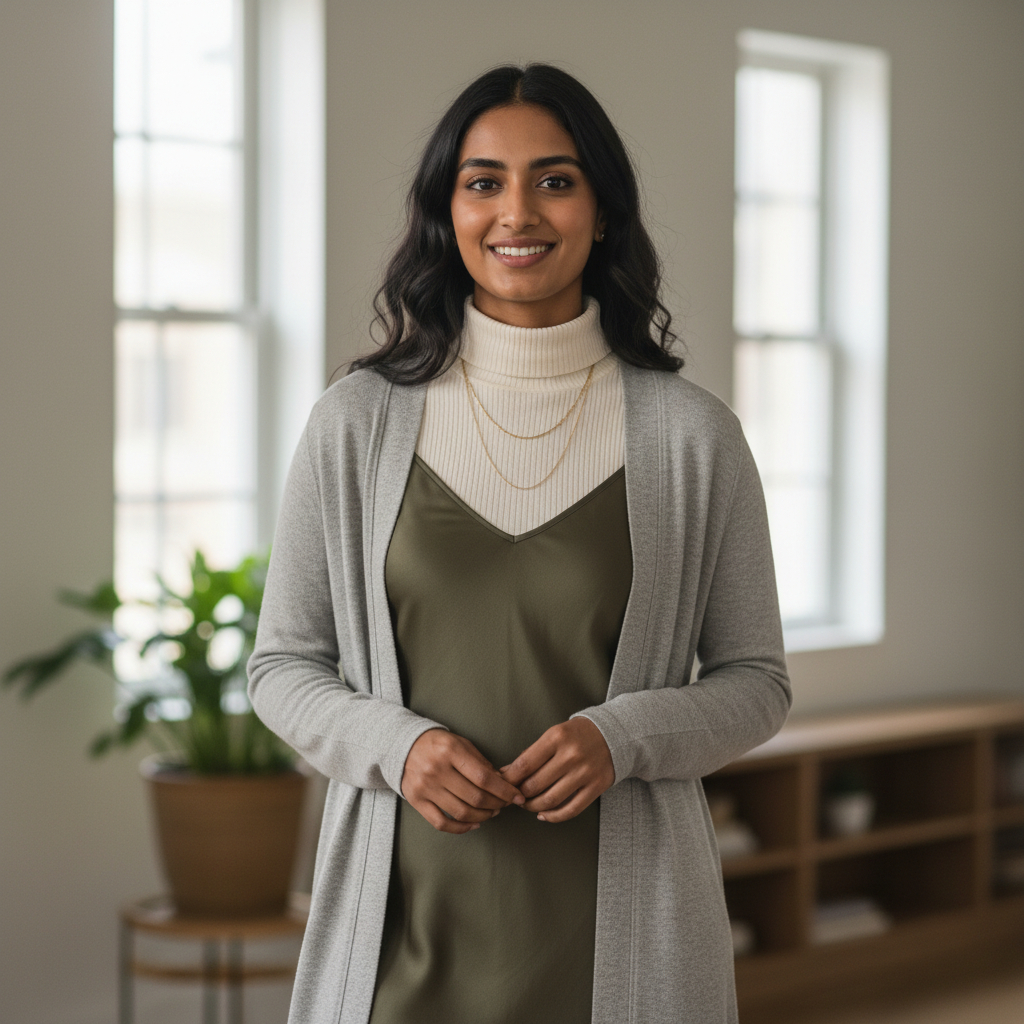
How to Layer Tops Without Adding Bulk
Layering tops is a stylish and practical way to stay warm, adapt to changing weather, and add dimension to your outfit. However, many people shy away from layering because they fear it will create an unflattering bulky look. The good news is that with the right techniques and fabric choices, you can master the art of layering without adding bulk, achieving a sleek, comfortable, and fashionable appearance.
Choose the Right Fabrics and Fits for Slim Layering
The foundation of layering without bulk lies in selecting fabrics and fits that work harmoniously. Not all materials are created equal, and understanding which ones lend themselves to layering can make a huge difference.
Opt for Lightweight and Thin Fabrics
When layering tops, thin fabrics are your best friends. Bulky knit sweaters or thick materials add unnecessary volume. Instead, look for:
- Cotton blends: Lightweight cotton or cotton blends breathe well and can be snugly layered.
- Modal and viscose: These fabrics drape smoothly and provide a sleek silhouette.
- Merino wool: Finer wool varieties like Merino provide warmth without puffiness.
- Silk and satin: Smooth textures work well under more structured pieces.
Avoid chunky knits, thick fleece, or bulky synthetic fabrics as base layers to keep bulk at bay.
Prioritize Slim and Proper Fits
The fit of each layer plays an essential role. A good layering strategy involves choosing tops that are close to the body but not tight. Here’s what to keep in mind:
- Start with a fitted base layer: Think of a snug tank, cami, or a lightweight long sleeve top as your base.
- Next layer should be slightly looser but still tailored: For example, a thin shirt or a blouse that offers some room but doesn’t billow.
- The outermost layer should have structure: A blazer, light jacket, or cardigan with a clean silhouette adds polish without bulk.
Remember, avoid oversized or boxy fits as they tend to create layers that add unnecessary mass.
Use Seamless and Thin Undergarments
Often overlooked, undergarments can add bulk too. Seamless bras and underwear, thermal tops made with ultra-thin technology, or even shapewear can provide a smooth base for your layers without adding visual or physical bulk.
Strategic Layering Techniques and Styling Tricks
Beyond fabric and fit, how you layer your tops greatly impacts the final look. Strategic layering focuses on proportions, lengths, and color coordination to create dimension without volume.
Master Length and Proportion Play
Layering different lengths can emphasize your shape instead of covering it up. Use these length-based guidelines:
- Longer layers underneath: Wearing a slightly longer shirt or tank beneath a cropped sweater or jacket creates vertical interest, elongates the torso, and avoids bulk accumulation.
- Balance volume with sleek pairings: If one layer is loose or flowing, the next should be more fitted to prevent the overall silhouette from expanding.
- Pay attention to sleeve length: Layer pieces with sleeves that fit neatly under outer layers, avoiding bunching around the arms.
- Use cropped layers strategically: Cropped tops or jackets can add structure and prevent excess fabric from doubling up around the waist or hips.
Utilize Color and Texture to Create Depth, Not Bulk
Playing with color and texture is a smart way to add interest and dimension without adding volume. Follow these tips:
- Monochrome and tonal outfits: Using shades from the same color family creates a streamlined look that doesn’t break the eye, reducing perceived bulk.
- Contrasting textures: Pair smooth fabrics like silk or cotton with matte knits or structured fabrics for visual depth without physical thickness.
- Dark colors for the under layers: Darker shades tend to recede, making layers look sleeker.
- Avoid large prints or heavy embellishments on multiple layers: Keep printed pieces to one layer max to maintain a clean, non-bulky look.
Embrace Functional Fastenings and Details
Closures and design features can influence bulkiness. Consider the following:
- Use lightweight buttons or zippers: Heavy hardware adds unnecessary mass.
- Adjustable elements: Wrap tops, tie-waists, and belts allow you to tailor the fit of outer layers, preventing billowing.
- Minimal layering seams: Fewer seams result in smoother layers and less friction, avoiding bunching.
- V-neck or open necklines: These reduce fabric gathering at the neck area and elongate the silhouette.
Layer with Purpose: Avoid Overlayering
More layers don’t necessarily mean better style. It’s easy to fall into the trap of piling on tops, but this almost always leads to a bulky appearance. Instead, choose a maximum of three thin layers, each serving a purpose.
- Base layer: Moisture-wicking or lightweight fitted top to manage temperature.
- Middle layer: Slightly warmer, like a thin sweater or shirt.
- Outer layer: Structured jacket or cardigan to finish the look and provide warmth.
By thoughtfully selecting and combining these pieces, you maintain functionality and style without compromising your silhouette.
Additional Tips for Flattering Layered Looks
Here are some final considerations to perfect your layering game without adding bulk:
Accessorize Wisely
Accessories can enhance layer aesthetics, but too many or bulky pieces can add volume. Opt for:
- Delicate scarves instead of chunky ones.
- Minimalist jewelry over oversized statement pieces.
- Sleek belts to define your waist and shape outer layers.
Pay Attention to Fit Adjustments
Sometimes, layered looks benefit from subtle tailoring:
- Consider tucking in longer base layers to avoid fabric bunching.
- Rolling up sleeves neatly can reduce excessive fabric around wrists.
- Choose tops with darts or seams that contour the body for a polished look.
Layer Outerwear Smartly
Outerwear tends to be the bulkiest layer. To prevent it from overwhelming your frame:
- Pick lightweight coats with clean lines.
- Choose structured blazers or jackets with tailoring.
- Avoid thick puffy jackets when sleek layers underneath are preferred.
Consider Temperature and Activity
Finally, layering should be functional as well as fashionable. Think about when and where you’ll wear your layered tops:
- If you’ll be moving between indoor and outdoor spaces, ease of removing or adding layers is key.
- Choose moisture-wicking base layers for active days to regulate sweat without adding layers.
Conclusion
Mastering how to layer tops without adding bulk involves a careful balance of fabric choice, fit, and styling strategy. By opting for lightweight materials, selecting slim or tailored fits, and layering thoughtfully using length and color coordination, you can build versatile, fashionable outfits that flatter your figure. Avoid overlayering and heavy fabrics, and incorporate purposeful details to maintain a sleek silhouette. With these tips, layering becomes a chic and practical way to stay comfortable and stylish in any season.




 Proudly Indian