
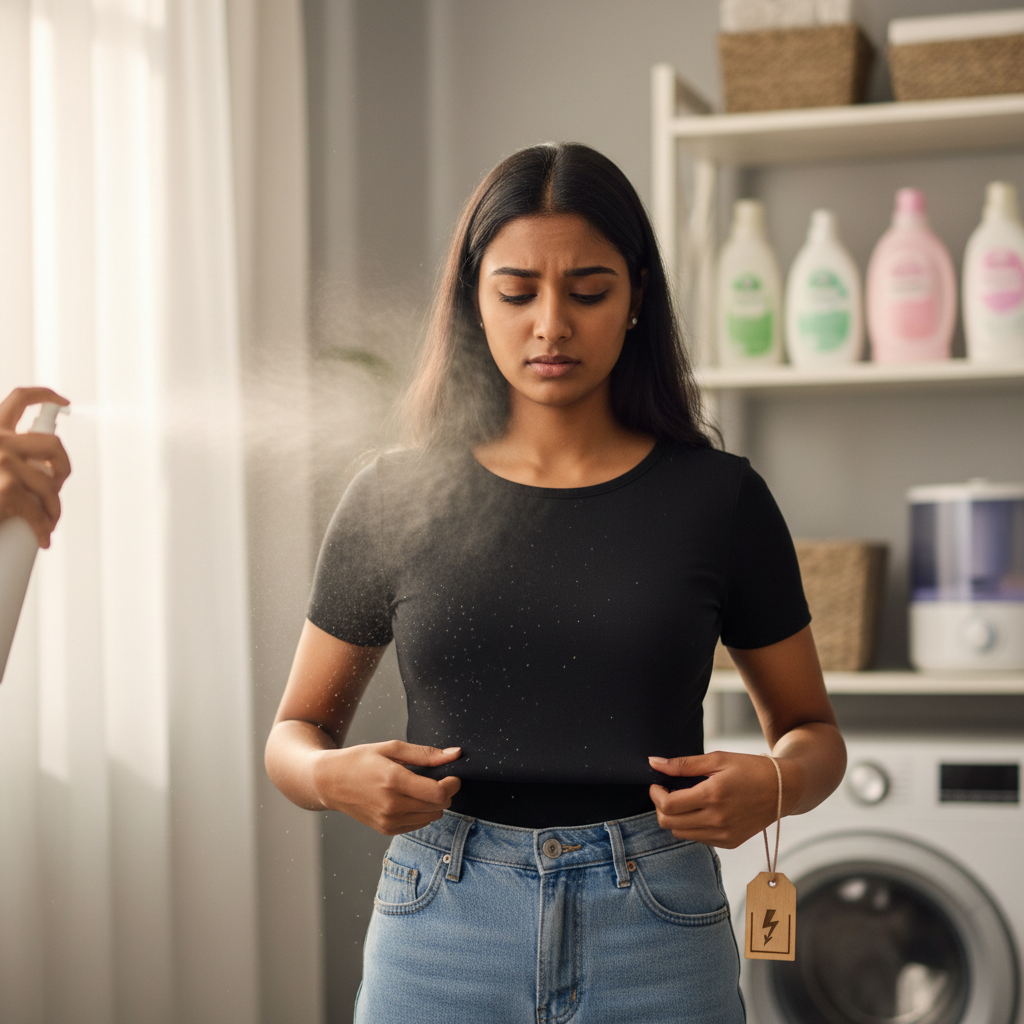
How to Deal with Static Cling in Tops
Static cling can be a frustrating wardrobe issue, especially when it affects your favorite tops. This pesky problem causes fabrics to stick uncomfortably to your skin or other clothing, disrupting your look and comfort. In this article, we’ll explore effective strategies to understand why static cling happens and provide practical, long-lasting solutions to keep your tops looking smooth and feeling comfortable.
Understanding the Causes of Static Cling in Tops
Before tackling static cling, it’s important to understand what causes it. Static cling occurs when there is an imbalance of electric charges on the surface of fabrics, often intensified by dry conditions or friction. Here’s a detailed look into why static cling is especially common in tops and the factors contributing to it:
The Science Behind Static Cling
Static electricity builds up when two materials rub against each other, transferring electrons and creating opposite charges on their surfaces. When your top’s fabric becomes charged, it will cling to oppositely charged surfaces, including your skin, other clothing layers, or even your body hair.
Common fabrics prone to static cling include synthetic fibers such as polyester, nylon, and acrylic. These materials do not conduct electricity well, allowing charges to accumulate easily. On the other hand, natural fibers like cotton tend to generate less static, but they are not completely immune.
Environmental and Wear Factors
The environment plays a significant role. Dry air during the winter months, or living in low-humidity regions, causes fabrics to lose moisture, increasing static buildup. Additionally, friction from movement—such as putting on or taking off a top, or layering under jackets—can amplify static accumulation.
Washing and drying methods can impact static cling as well. Overdrying clothes in tumble dryers removes moisture and causes fibers to rub together more aggressively, enhancing static charge. Using improper detergents or skipping fabric softeners also contributes to this problem.
Effective Solutions to Prevent and Remove Static Cling in Tops
Now that you understand why static cling happens, let’s explore practical solutions. These methods focus on preventing static buildup and removing static from your tops once it occurs, helping you maintain a fresh, comfortable wardrobe.
Prevention During Laundry and Drying
- Use Fabric Softeners or Dryer Sheets: These products coat fibers with a conductive layer that reduces friction and neutralizes static charge accumulation.
- Avoid Overdrying Clothing: Removing clothes from the dryer while still slightly damp helps retain moisture, reducing static cling.
- Wash with Moisture-Retaining Detergents: Some detergents have ingredients that help maintain fabric moisture, preventing static buildup.
- Select Appropriate Fabric Combinations: When washing, avoid mixing synthetic tops with highly static-prone clothing items like fleece or wool.
At-Home Remedies to Tackle Static Cling in Tops
If your tops already have static cling, try these quick fixes before stepping out:
- Use a Safety Pin: Attach a small safety pin to the hem inside your top. The metal acts as a conductor, dissipating static charges.
- Apply Moisturizing Lotion: Dry skin can increase static. Apply lotion to your arms before dressing to reduce static buildup.
- Rub a Dryer Sheet Over the Fabric: Rubbing a dryer sheet on the exterior of your top temporarily neutralizes static.
- Lightly Spritz with Water: A fine mist of water applied on the inside of the top can help discharge static electricity.
- Use a Metal Hanger: Run a metal hanger inside your top to remove static by discharging the electric buildup.
Long-Term Strategies for Maintaining Static-Free Tops
Aside from instant fixes, consider these long-term approaches to consistently prevent static cling:
- Maintain Household Humidity: Using a humidifier in dry environments adds moisture to the air and reduces static potential.
- Choose Natural Fiber Tops: Opt for cotton, linen, or other natural materials when possible, as they generate less static.
- Layer Carefully: Avoid wearing synthetic tops underneath or on top of other synthetic materials prone to static.
- Proper Storage: Store tops folded in drawers rather than hanging in plastic garment bags, which can increase friction.
Integrating Static Cling Solutions into Your Daily Routine
Consistency is key to managing static cling effectively. Establish a routine incorporating prevention and quick fixes that fits your lifestyle. For example, always add a dryer sheet when laundering tops, keep a small container of lotion near your dressing area, and adjust indoor humidity during dry seasons.
For busy individuals, carrying a portable dryer sheet or a small spray bottle with water can be an easy way to combat static on the go. Additionally, wearing tops made with blended fabrics that include natural fibers can strike a balance between style and static control.
Embrace these practical habits to not only eliminate discomfort but also protect your tops from static-related wear and tear, extending the life and appearance of your garments.
Conclusion
Static cling in tops is a common yet manageable issue that results from fabric type, environmental conditions, and clothing care practices. By understanding the causes, applying laundry and drying tips, using at-home remedies, and adopting long-term strategies, you can significantly reduce or eliminate static cling. Incorporating these solutions into your daily life will keep your tops looking sleek and feeling comfortable, ensuring you maintain a polished, static-free wardrobe year-round.




 Proudly Indian